
Wholesale for Canada
Wholesale Homeware for Canada: Small-Batch Orders from China
Small retailers, online sellers and importers in Canada buy wholesale homeware from China in small lots to test products before committing to a container. This page covers dinnerware, glass cups, storage jars, baskets, silicone kitchen tools, cushion covers, tablecloths, plant saucers and shelves, and what a Canadian buyer should check on taxes, surtaxes, the business number, labelling and ports before paying a Chinese seller.
Canada's import taxes depend on the province: GST is 5% federal, and provinces add HST or PST. Duty depends on the tariff classification and origin, and some Chinese-origin goods carry extra surtaxes, so each product needs its own tariff item checked. Bilingual labelling rules also apply to many consumer goods. Rules and rates change, so confirm everything with a customs broker before ordering.
What to know before you import homeware into Canada
GST, HST and PST by province
GST is 5% federal, and provinces add HST or PST depending on the province. The combined tax on the same lot therefore differs from one province to another. Ask your broker what applies in your delivery province and whether you can claim credits as a registered business, before you build your retail price.
Surtaxes on Chinese-origin goods
Duty depends on tariff classification and origin, and some Chinese-origin goods carry extra surtaxes on top. Check the specific tariff item for each product group rather than relying on a general rate. A cup, a tray and a shelf may sit in different items, and the surtax position can change, so recheck before each order.
Value for duty excludes freight
Value for duty generally excludes international freight and insurance, so duty is calculated on the goods value alone. Keep the goods invoice separate from freight lines and give your broker the invoice early. Landed cost still includes freight, insurance, duty, taxes and clearance, port and delivery charges.
Business number and customs broker
Importing commercially into Canada needs a business number with an import/export account, and a customs broker usually files. Get the account in place before the first shipment and choose the broker early. Ask which tariff items your homeware falls under and what documents they need from the seller.
Consumer safety and bilingual labels
The Canada Consumer Product Safety Act and product-specific regulations apply, and bilingual labelling rules apply to many consumer goods. Plan for English and French text on packaging and labels where required, and check food-contact items, children's items and plastics with your broker. Fix labels before shipping, because correcting them after arrival costs time.
Customs rules, rates and product requirements change. Treat this page as orientation and confirm the current position for your exact product with a licensed customs broker or the national customs authority before you order.
Routes and timing for Canada
Typical Canadian ports are Vancouver and Prince Rupert in the West, and Montreal and Halifax in the East. Sea routes via the US West Coast are common for inland buyers. Sea time is roughly 4 to 6 weeks door to door. For a small mixed shipment, the port you pick matters for the inland leg: a western buyer may land in Vancouver, while an inland or eastern buyer may weigh Montreal or a route via the US coast.
A small wholesale plan for Canada
Open the import account
Set up the business number with an import/export account, choose a customs broker and ask which tariff items and surtaxes apply to your first product groups. Do this before paying a seller, so you know the full landed cost of each line.
Sample and plan the labels
Have one piece of each product inspected in China. For any item that needs packaging text, decide who prepares the English and French wording, and ask the seller whether labels or inserts can be added to the cartons.
Choose the port route
Ship the consolidated first lot to the port that suits your delivery province, comparing a western port with a route via the US West Coast for inland buyers. Ask your broker to clear it and to confirm the provincial taxes.
Listings buyers in Canada ask about
-
Kitchen tools



11 archived listings, observed $0.77–$10.02.
-
Storage jars

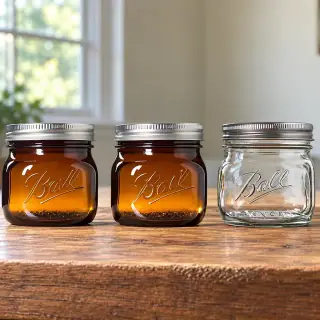

11 archived listings, observed $0.49–$3.04.
-
Shelving
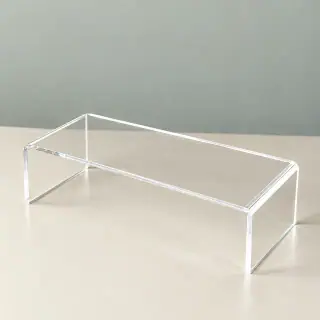
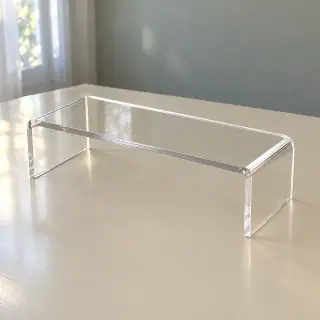

10 archived listings, observed $0.57–$38.36.
-
Table coverings
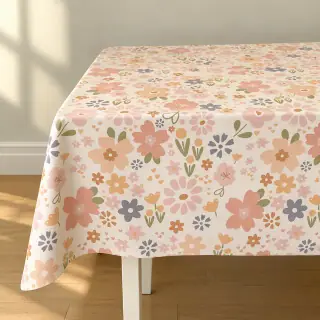
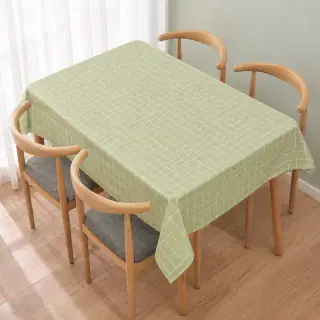
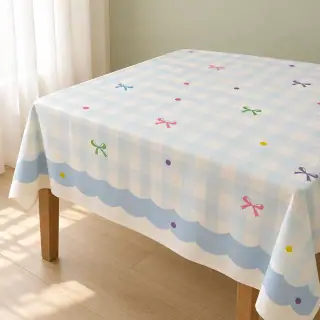
11 archived listings, observed $0.74–$8.95.
-
Cushion covers
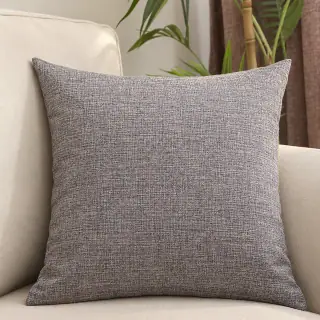
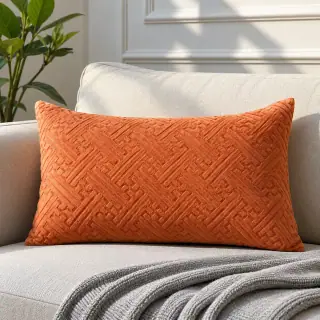

11 archived listings, observed $0.74–$5.02.
Wholesale homeware for Canada: questions
How do provincial taxes affect wholesale homeware imports into Canada?
GST is 5% federal, and provinces add HST or PST depending on the province, so the total tax on the same lot differs by where you are. Ask your customs broker which combination applies to your delivery province and whether you can claim credits as a registered business. Rules and rates change, so confirm before ordering.
What is a surtax on Chinese-origin goods in Canada?
Some Chinese-origin goods carry extra surtaxes on top of normal duty, so the specific tariff item must be checked. We cannot say which items are covered today, since this changes. Ask your broker for the tariff item of each product group, then price your lot with any surtax included.
Do my homeware labels need to be in French?
Bilingual labelling rules apply to many consumer goods in Canada, which usually means English and French text. Check with your broker or the national authority which of your products are covered, and plan the label wording before the goods are packed and shipped. Fixing labels after arrival is slower than doing it in China.
Is a route via the US West Coast cheaper for inland Canadian buyers?
Sea routes via the US West Coast are common for inland buyers, but whether they cost less depends on forwarder quotes and extra handling. Compare port-to-door quotes for Vancouver or Prince Rupert against routes via the US. We do not quote rates in advance, so ask your forwarder for both.
Importing to another market?
Planning a first order for Canada? Tell us the items, the quantities and the delivery address and we return an itemised delivered price, with the sample-first option laid out.
Plan a small order