
Wholesale for United States
Wholesale Homeware for the United States: Small-Batch Buying from China
Small importers in the United States buy wholesale homeware from China to stock gift shops, online stores and cafes without ordering a full container. This page covers dinnerware, glass cups, storage jars, baskets, silicone tools, cushion covers, tablecloths, plant saucers and display shelves bought in small-batch lots, and what a US buyer has to arrange: importer of record, tariff classification and clearance.
What differs for the United States is the tariff picture and the filing. Goods of Chinese origin can carry additional tariffs on top of the base rate, and those have changed several times, so the current rate for the exact HTS code matters more than any figure quoted here. A customs broker usually files the entry. Rules and rates change, so confirm them before ordering.
What to know before you import homeware into United States
Duty depends on HTS code and origin
Duty follows the HTS classification and the country of origin. Goods of Chinese origin can carry additional tariffs on top of the base rate, and those have changed several times. The same-looking cup or tray can fall under different codes, so ask your broker for the current rate of the exact code before you price a lot.
Customs value excludes freight and insurance
The customs value is generally the transaction value, which excludes international freight and insurance. Keep the goods invoice clean and separate from freight lines. Landed cost still adds duty, any additional tariffs, and clearance, port and delivery charges on top of the goods, inland China freight and international shipping.
Importer of record and the broker
For a commercial shipment, the importer of record must be a commercial importer, and a customs broker usually files the entry. Choose a broker before the goods leave China and send them your product list early, so they can name the HTS code for each group of homeware and tell you which documents they need.
The US$2,500 line and the entry type
Shipments valued above US$2,500 generally need a formal entry and a customs bond; below that, informal entry applies for most goods. Do not assume any low-value duty exemption applies to commercial wholesale orders, because a mixed lot of homeware for resale is a commercial shipment. Plan lot values with your broker.
Consumer rules and small-lot cost
Consumer product safety rules apply to gifts and homeware, and the buyer is responsible for compliance in the destination. For food-contact items and children's items, ask your broker which rules apply. Fixed charges weigh more per unit on small lots, so confirm code, entry type and compliance before ordering, not after arrival.
Customs rules, rates and product requirements change. Treat this page as orientation and confirm the current position for your exact product with a licensed customs broker or the national customs authority before you order.
Routes and timing for United States
Typical sea routes from South China run to Los Angeles and Long Beach on the West Coast, or to New York and New Jersey and Savannah on the East Coast. Port-to-port sea time is roughly 2 to 5 weeks depending on the coast and service, and LCL consolidation and clearance add time. Air freight is roughly 4 to 8 days door to door. For a small mixed shipment, sea LCL usually keeps the cost per piece down, and air suits an urgent sample.
A small wholesale plan for United States
Sample the riskiest items first
Order one piece of each design you expect to resell, starting with food-contact and breakable items such as dinnerware and jars. We inspect them in China. Use this step to get your broker's view on classification and on any consumer-safety questions.
Build a mixed first lot
Place a first lot of a few dozen pieces per item across several sellers, in one purchase. Heavy glass and ceramics ship better beside light baskets and cushion covers. Ask your broker for the HTS code and current rate of each product group before the lot is paid for.
Consolidate and ship by sea
We receive and inspect the goods, repack if you choose, and ship the mixed lot together. Decide between a West Coast and an East Coast port, share your importer-of-record details with the broker and keep the lot value in mind against the US$2,500 formal-entry level.
Listings buyers in United States ask about
-
Dinnerware
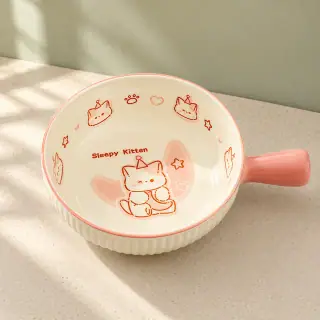
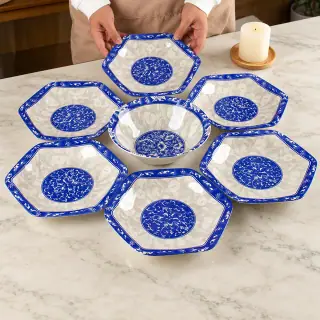
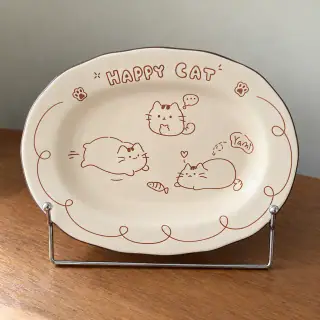
11 archived listings, observed $0.61–$69.20.
-
Glass drinkware

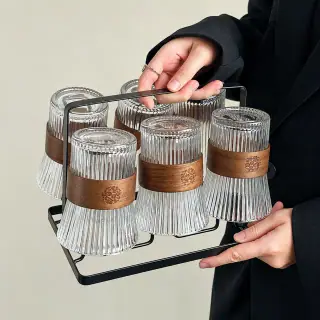

11 archived listings, observed $0.84–$6.10.
-
Storage jars

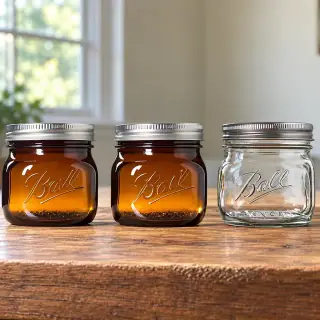

11 archived listings, observed $0.49–$3.04.
-
Cushion covers
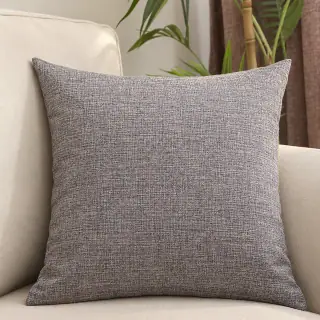
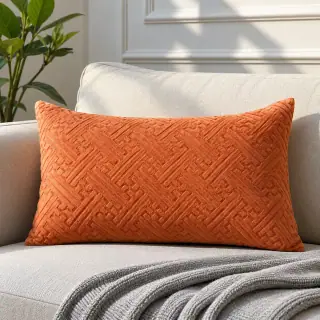
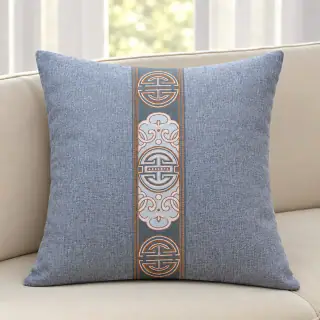
11 archived listings, observed $0.74–$5.02.
-
Table coverings
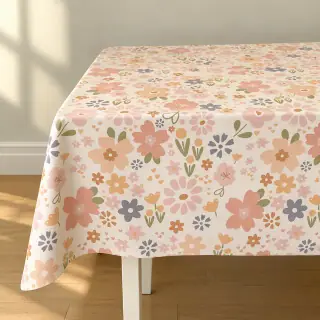
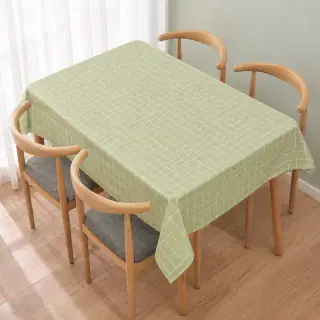
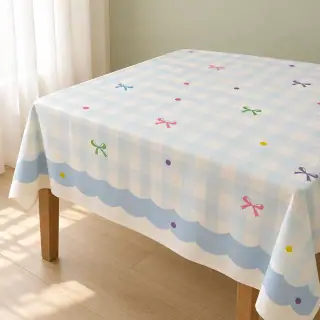
11 archived listings, observed $0.74–$8.95.
Wholesale homeware for United States: questions
Do I need to be importer of record to bring in wholesale homeware?
Your business, or another commercial importer, must be the importer of record, and a customs broker usually files the entry. Many small buyers hire a broker for this. We buy, inspect and ship the goods from China, but the entry in the United States is filed for the importer, so settle who that is before you order.
Can I rely on a low-value exemption for a homeware order?
Do not assume any low-value duty exemption applies to commercial wholesale orders. A shipment above US$2,500 generally needs a formal entry and a customs bond, and below that informal entry applies for most goods. Ask your broker which entry applies to your lot value and to your product's classification.
How do additional tariffs on Chinese goods affect my landed cost?
Goods of Chinese origin can carry additional tariffs on top of the base HTS rate, and those have changed several times. Because they are added to duty, the same lot can cost more or less between ordering and arrival. Ask your broker for the current rate of the exact code, and keep a margin for change.
Which US ports do homeware shipments from South China use?
Typical sea routes from South China go to Los Angeles and Long Beach on the West Coast, and to New York and New Jersey or Savannah on the East Coast. Sea time is roughly 2 to 5 weeks port to port depending on coast and service, plus LCL consolidation and clearance. Choose the port nearest your warehouse and confirm the schedule with your forwarder.
Importing to another market?
Planning a first order for United States? Tell us the items, the quantities and the delivery address and we return an itemised delivered price, with the sample-first option laid out.
Plan a small order