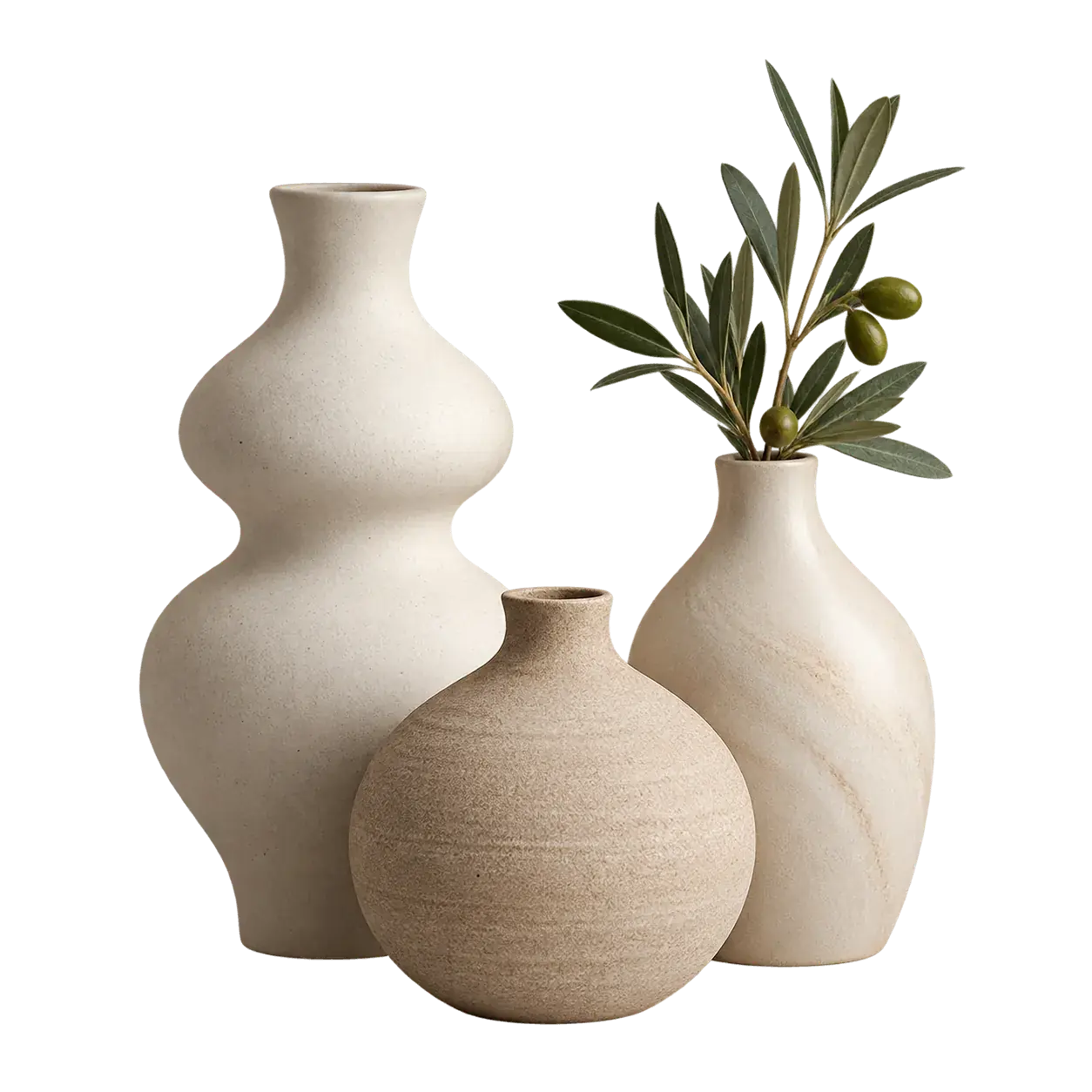
home decor, kitchen and household goods / Buying guide
How to compare ceramics suppliers beyond the sample photo
Last updated
Published by 1688 Homeware · Review method
Key takeaways
- Use an exact body, glaze, decoration and intended-use specification; firing temperature or city alone does not establish performance.
- Match the full test report to the ordered article, destination, method and conditions; resolve unexplained product or glaze differences.
- Approve physical appearance limits and the actual package, with documented tests and damage terms suited to the route.
Compare ceramics suppliers against a written product and use specification, then inspect samples and the evidence covering that exact article. A city name, kiln temperature, “food safe” sticker or factory-wide certificate does not establish that the finished item meets your needs.
For tableware, resolve the destination and intended use before production. For decorative pieces, define the decorative use honestly. If the supplier cannot connect the sample, production specification and relevant documents, pause the order rather than price that uncertainty as an assumed bargain.
Turn this guide into a buying request
Keep this page as context. Add what you know; review everything before sending. No purchase is made at this step.
Continue to request →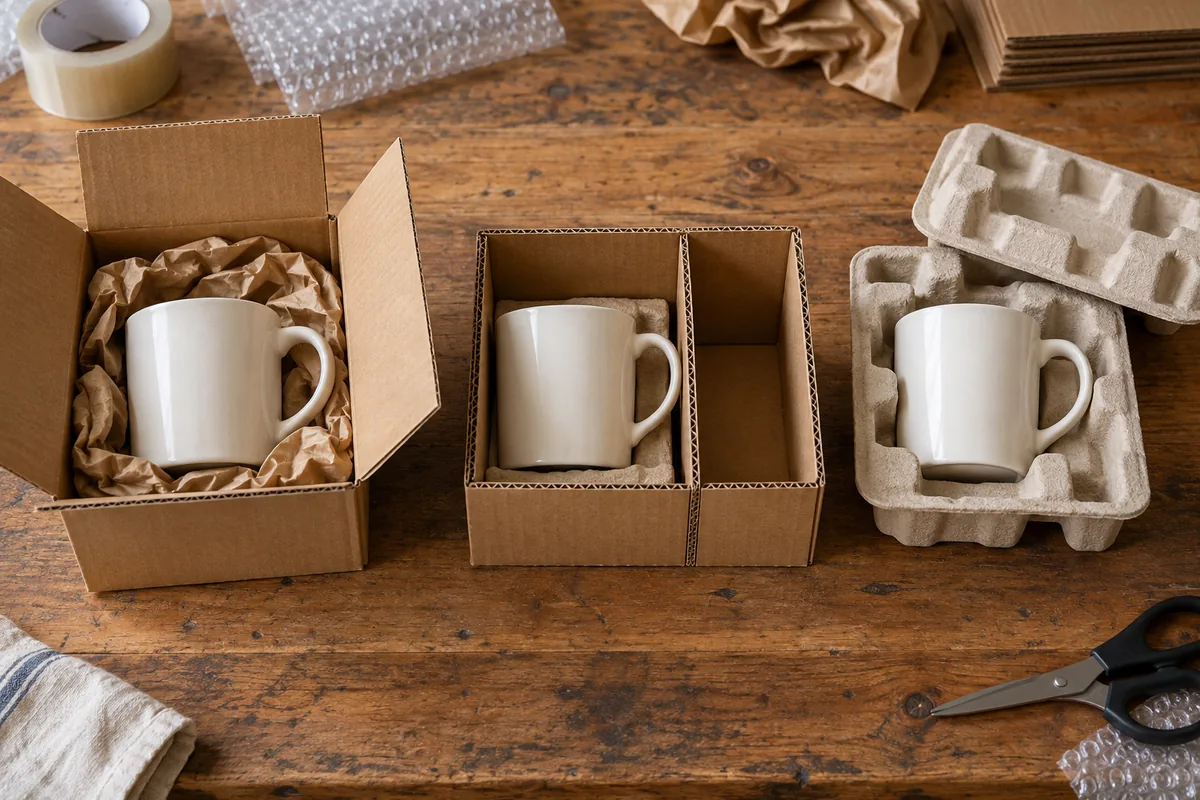
-
Product identity
supplier SKU, drawing or photograph, body material, glaze code, decoration process and revision. Separate each colour or finish that can change performance or document coverage.
-
Dimensions and function
diameter, height, usable capacity where relevant, weight, foot-ring finish, lid fit, stack/nesting interface and acceptable variation.
-
Intended use
decorative only, serving, storage, hot drinks, oven or other specified use. Dishwasher, microwave and thermal-use claims need appropriate evidence; do not infer them from the word porcelain.
-
Commercial scope
units per design/glaze, spare lids or matching pieces, retail presentation, replenishment quantity and latest required receiving date.
In this guide
Start with one product specification
- Product identity: supplier SKU, drawing or photograph, body material, glaze code, decoration process and revision. Separate each colour or finish that can change performance or document coverage.
- Dimensions and function: diameter, height, usable capacity where relevant, weight, foot-ring finish, lid fit, stack/nesting interface and acceptable variation.
- Intended use: decorative only, serving, storage, hot drinks, oven or other specified use. Dishwasher, microwave and thermal-use claims need appropriate evidence; do not infer them from the word porcelain.
- Commercial scope: units per design/glaze, spare lids or matching pieces, retail presentation, replenishment quantity and latest required receiving date.
- Approval scope: physical samples, test or document review, production inspection and packed-carton validation, with a responsible party and cost for each.
Review the sample in a repeatable way
Ask for samples linked to the quoted body, glaze and decoration, not an unrelated showroom piece. Record the sample date and identifier. Compare more than one sample when the finish is intentionally variable; keep an agreed reference set for the supplier and buyer.
An illustrative acceptance worksheet might say “bowl SKU B16, glaze G2, drawing revision 3, nominal 160 mm diameter”. The identifiers are fictional examples, not a product tested by this site. The buyer must fill in actual dimensions, tolerances, methods and results.
- Measure the rim, base, height and stack interface with agreed tools and reference points; record values rather than “size OK”.
- Check rocking on a defined flat surface, exposed sharp edges, cracks, chips, glaze defects and the condition of surfaces that contact food or hands.
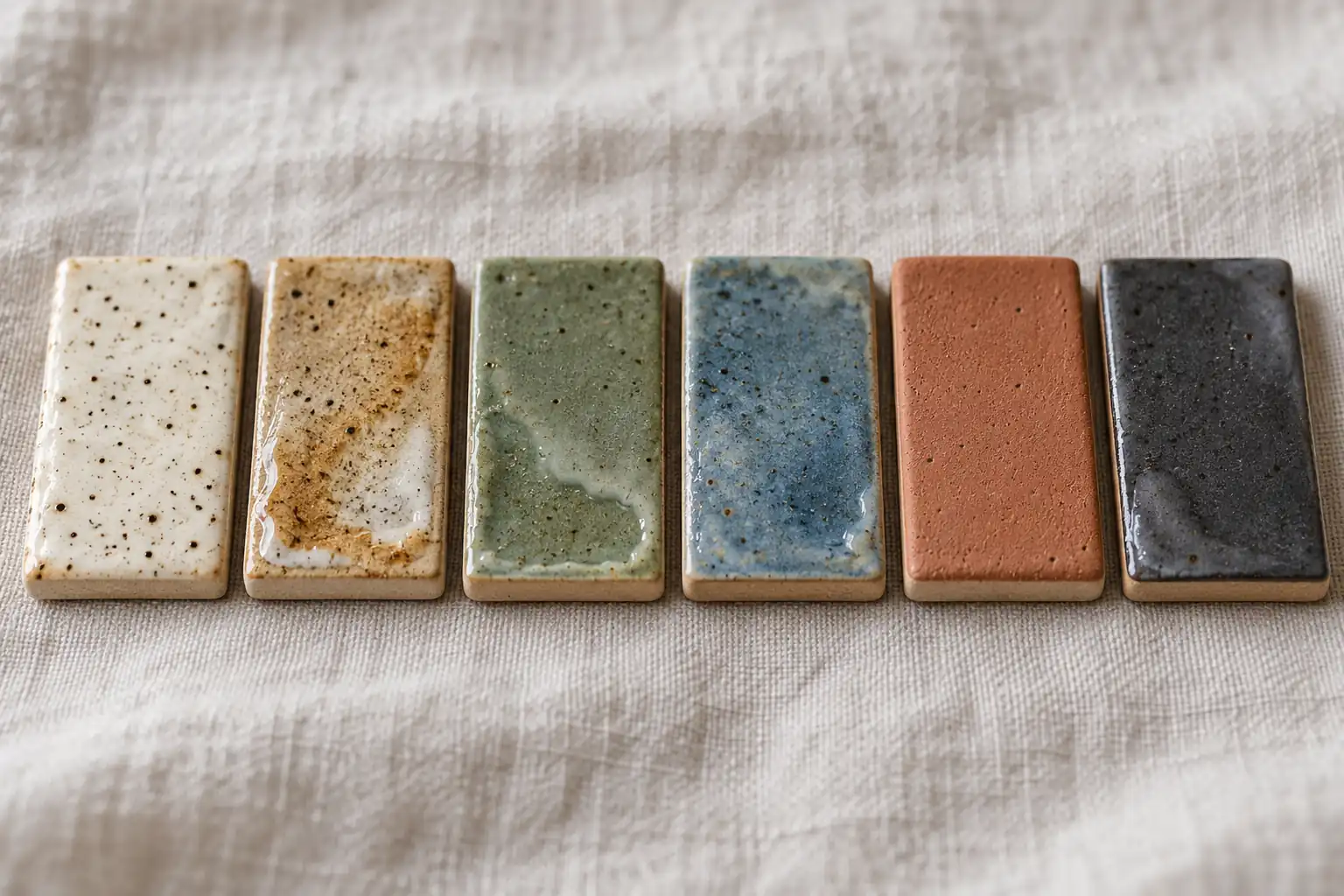
- Compare colour, gloss, speckling and glaze coverage under the same agreed lighting. Approve acceptable light/dark boundary samples for a reactive finish.
- Keep cosmetic variation separate from functional failure. A variation outside the agreed range can be nonconforming even if the supplier calls it handmade.
- Arrange appropriate use tests where claims matter. Casual home use or a photograph cannot establish long-term durability or migration compliance.
Read the whole test report against the actual product
A report can be genuine yet irrelevant to your purchase. Build a one-page match sheet linking the order SKU, sample identifier, body, glaze and decoration to the document. Record each field as matches, explained difference or unresolved. A lab logo or “pass” page alone is insufficient.
- Identity: laboratory, report number, client, sample description, photographs, dates and all pages. Verify authenticity with the issuing laboratory when necessary.
- Coverage: exact article or justified product family, colour/glaze/decoration, manufacturer or production source and any component substitutions.
- Method: destination rule or test method, article category, test conditions, analytes, units, detection limits and the acceptance criteria used.
- Results: actual measured values and conclusion, not a supplier’s cropped summary. Check whether any conditions or exclusions limit the result.
- Change control: ask what happens if the body, glaze, firing process, decoration or supplier changes. There is no universal report expiry period that makes every unchanged or changed product acceptable.
- Unresolved mismatch: obtain a written technical explanation from a competent reviewer or commission the needed testing. Do not relabel a report for another product.
Use destination-specific evidence for food-contact ceramics
For US food-contact ceramicware, FDA publishes product-category guidance addressing leachable lead. A firing-temperature statement or generic “FDA approved factory” claim is not a substitute for reviewing the finished article against applicable requirements.
Ask a qualified laboratory or compliance adviser to identify the required assessment for the exact article and use, including other relevant substances and state or local requirements. This guide does not provide a universal testing panel or regulatory clearance.
Read the category and result rule, not just the word pass
Source observation, 2 October 2026: we read page 1 of FDA CPG 545.450, including its category table. It lists 0.5 micrograms/mL for cups/mugs using any one of six units, versus 3.0 micrograms/mL for flatware using the average of six. These are enforcement-guidance criteria for leachable lead, not interchangeable limits or a complete approval programme.
Hypothetical report review, not measured results: a mug set reports five values of 0.10 and one of 0.80 micrograms/mL. Averaging them gives about 0.22, but that does not resolve the mug criterion because one result exceeds 0.5. Hold the lot for qualified review; do not borrow the flatware average rule. A report using a different article category, units or extraction method needs explanation before acceptance.
Record the actual category, method/version, all individual results and the reviewer’s conclusion. FDA’s guidance is older published guidance still available at review; confirm current applicability, cadmium and other relevant requirements with the responsible reviewer. This desk comparison is not our laboratory testing or clearance of any supplier.
FDA CPG 545.450: page 1 category-specific lead criteria and six-unit rule ↗
For EU orders, review the framework and ceramic-specific rules
The European Commission identifies both the food-contact framework and ceramic-specific measures. Match the applicable documentation and testing to the finished item, including its decoration, and check the rules current when placing it on the market.
Keep the assessment, required declarations and supporting records linked to the supplied products. A document obtained for another destination should be reviewed for gaps rather than treated as automatically equivalent.
European Commission: food-contact legislation and ceramics rules ↗
A real finished-mug failure shows why use claims need separate evidence
We read Nestlé USA’s 21 March 2024 metallic-mug recall notice on 2 October 2026. It identifies ceramic mugs with metallic coating in 11 oz and 16 oz gift sets and describes overheating or breakage with microwave use or extremely hot liquid. The notice limits the recall to the specified products.
Buyer implication: a migration report alone does not answer whether your decorated mug is suitable for hot liquids or a microwave. Put each intended-use claim in the report matrix and request supporting evidence for the finished decoration and construction. This historical manufacturer notice demonstrates a failure mode; it does not establish the performance or failure rate of any current mug, coating or supplier.
Nestlé USA: product-specific metallic-coated ceramic-mug recall, 21 March 2024 ↗
Approve the package and damage terms separately
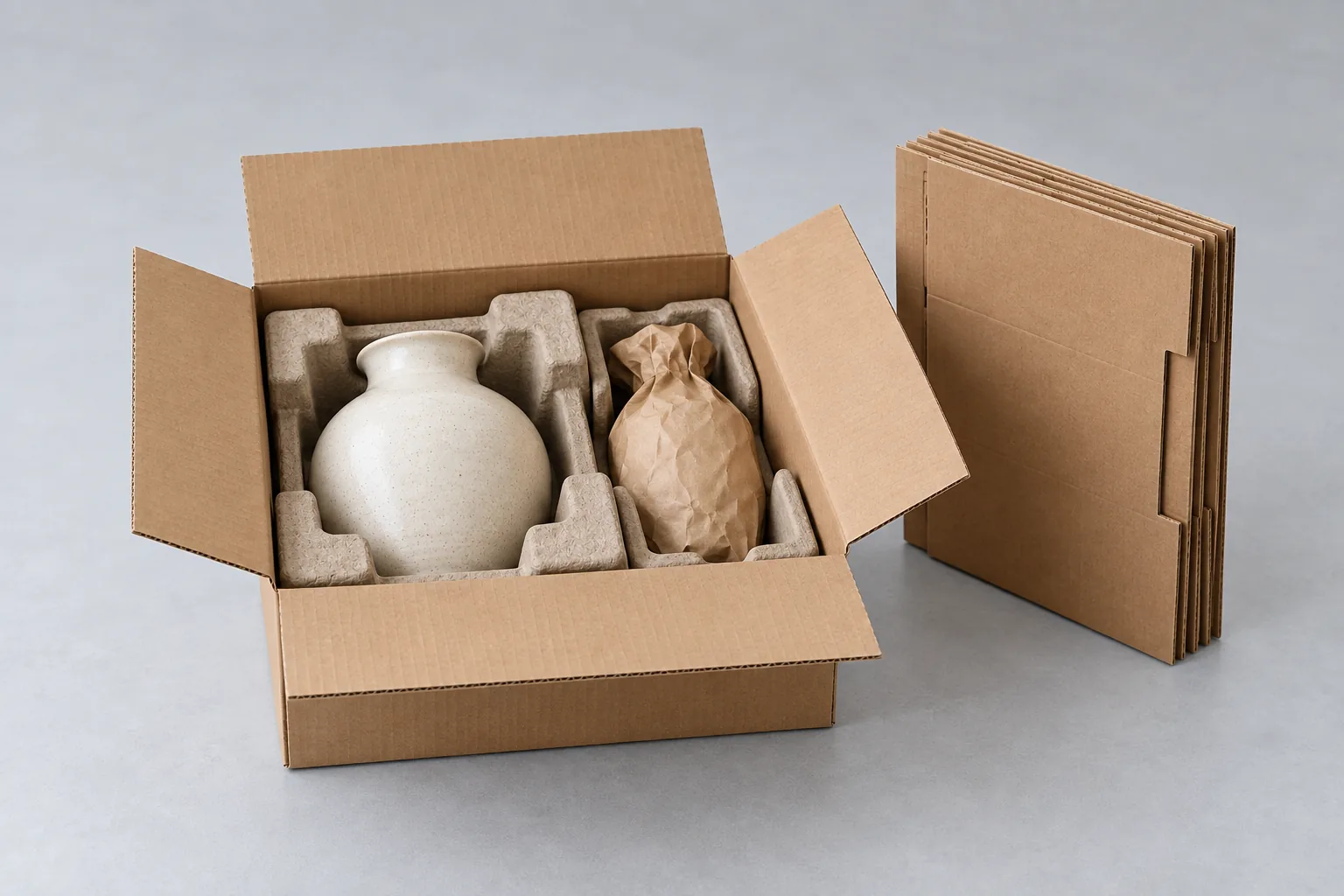
Request the packed sample with inner materials, dividers, carton construction, units per carton, outside dimensions and gross weight. Nesting is only useful if separators and clearances prevent rubbing and impact damage.
Ask a packaging specialist to select a transport test suited to the actual route and sales channel. ISTA distinguishes early screening from transport simulations; one improvised drop is not evidence that an entire shipment will arrive undamaged.
Agree the defect and damage definitions, arrival-inspection window, photographic evidence, carrier claim process and supplier remedy before payment. A replacement next month may not meet a retailer’s opening date.
ISTA: transport test procedures and their different scopes ↗
Compare suppliers on the evidence they return
- Accept for further evaluation: a traceable sample, complete specification, relevant reports, disclosed missing tests, priced packaging and dated production milestones.
- Resolve before ordering: unexplained model/colour mismatch, missing report pages, a packing method changed after testing or unclear responsibility for replacements.
- Compare complete cost: goods, samples, compliance work, inspection, packing, China transport, international freight, duty/tax and delivery per usable unit.
- Send the quote form your product type, use, destination, quantity by glaze, reference samples and receiving date. The packaging-cost guide below shows how to compare alternative packs without inventing a breakage rate.
Release, hold or reject the evidence package
- Release the relevant gate only when the report/sample identity, applicable category and method, results, production specification and reviewer’s disposition match. Approval of the chemical-safety evidence does not release packing, visual defects or use claims.
- Hold a hypothetical white-mug report submitted for a red decal revision until the laboratory or competent reviewer explains the coverage and any additional assessment. A supplier statement that “the clay is the same” leaves the decoration difference unresolved.
- Reject a knowingly altered report, an unexplained missing result page, or a supplier’s refusal to control glaze/decoration substitutions. Record why the candidate was removed so a later lower price does not silently reopen the same unresolved risk.
- At replenishment, compare body, glaze, decoration, production source and process against the approved record. Reassess when a material or use changes; a newer date alone does not make an unrelated report relevant.
Ceramic evidence and release worksheet
Match the order to the complete report, record individual versus average result rules and assign separate decisions for chemistry, intended use, appearance and packaging. The worksheet leaves all supplier results blank.
Download the reusable ceramic evidence and release worksheet (plain text) ↗
Questions & answers
Common questions
- Does high firing temperature prove food safety?
- No. Body, glaze, decoration, process and intended use all matter. Review the finished product’s relevant evidence for the destination.
- Can one report cover every glaze colour?
- Only if the scope and a competent technical justification support that coverage. Ask how each ordered body, glaze and decoration is linked to the tested sample.
- Is reactive glaze variation automatically acceptable?
- No. Agree a physical range and any functional limits before production. Variation beyond those limits can be nonconforming.
- Have the sample or packing checks in this guide been performed?
- No. This is a procurement and evidence-review method. No supplier sample, laboratory result or shipment outcome was provided for this article.
Your next step
Have a link you want checked?
Send a 1688 or Taobao product link and you get back the specification in English, the supplier check, and the landed cost to your country before you commit to anything.
Get a quote