Site home Blog 1688 Homeware
Buying notes Practical tutorials for quote requests, specification checks, receiving and shipping.
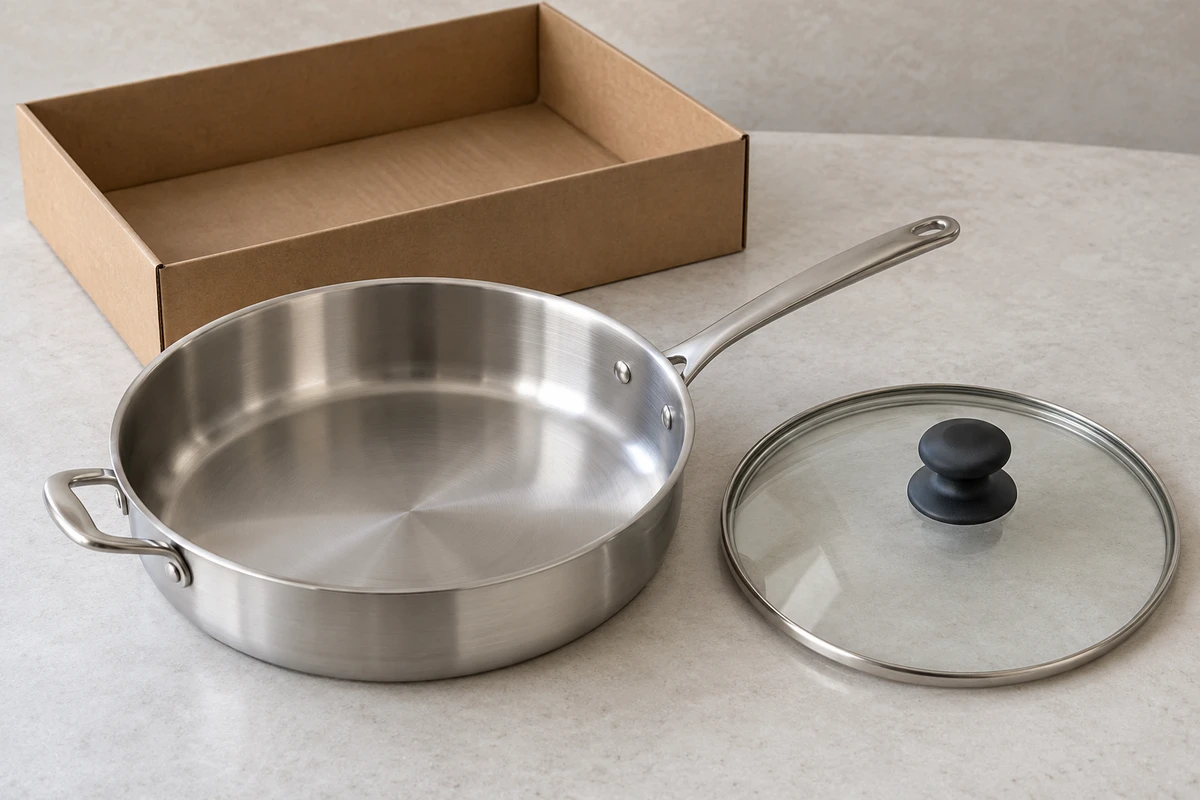
Request a quote Email WhatsApp Compare pan-and-lid packing proposals with every projection represented, and verify permission before accepting an inverted lid arrangement.
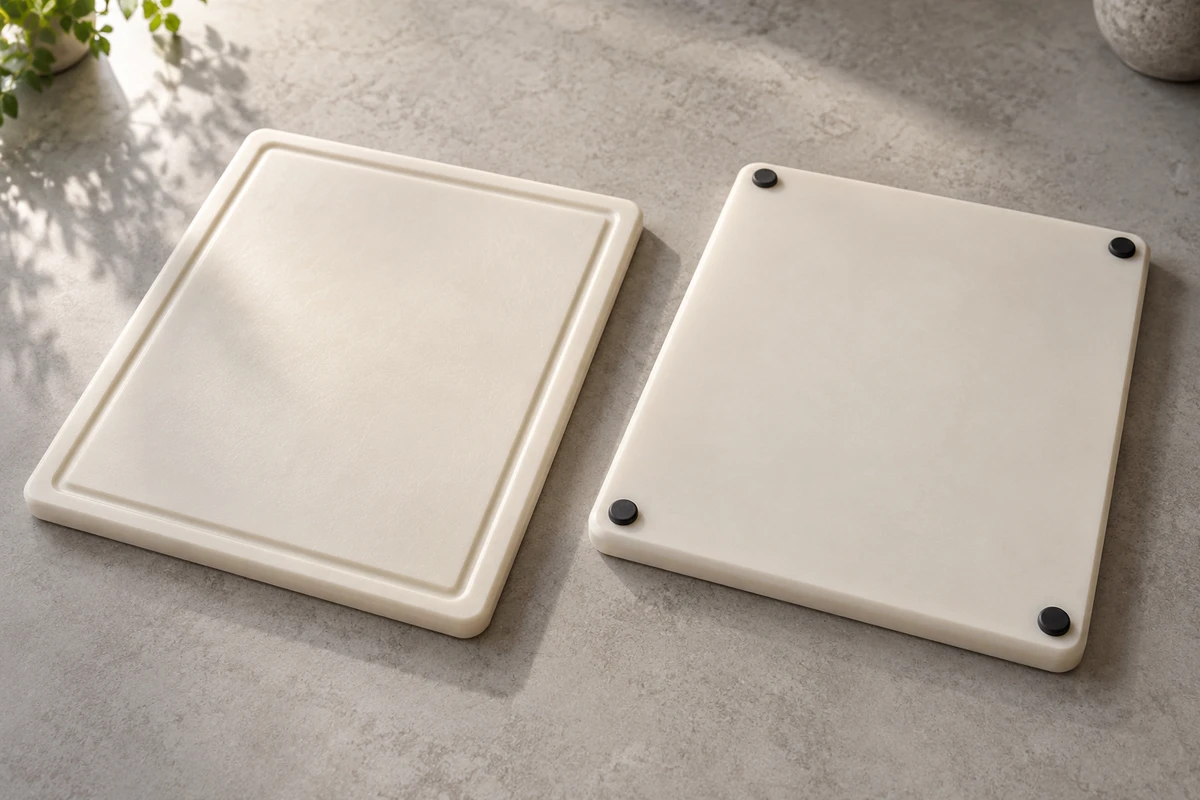
Read article: Pack a Pan and Lid with the Knob and Handles in View → Show grooves, feet and handle edges in a cutting-board bundle before choosing its face order or asking for contact-material review.
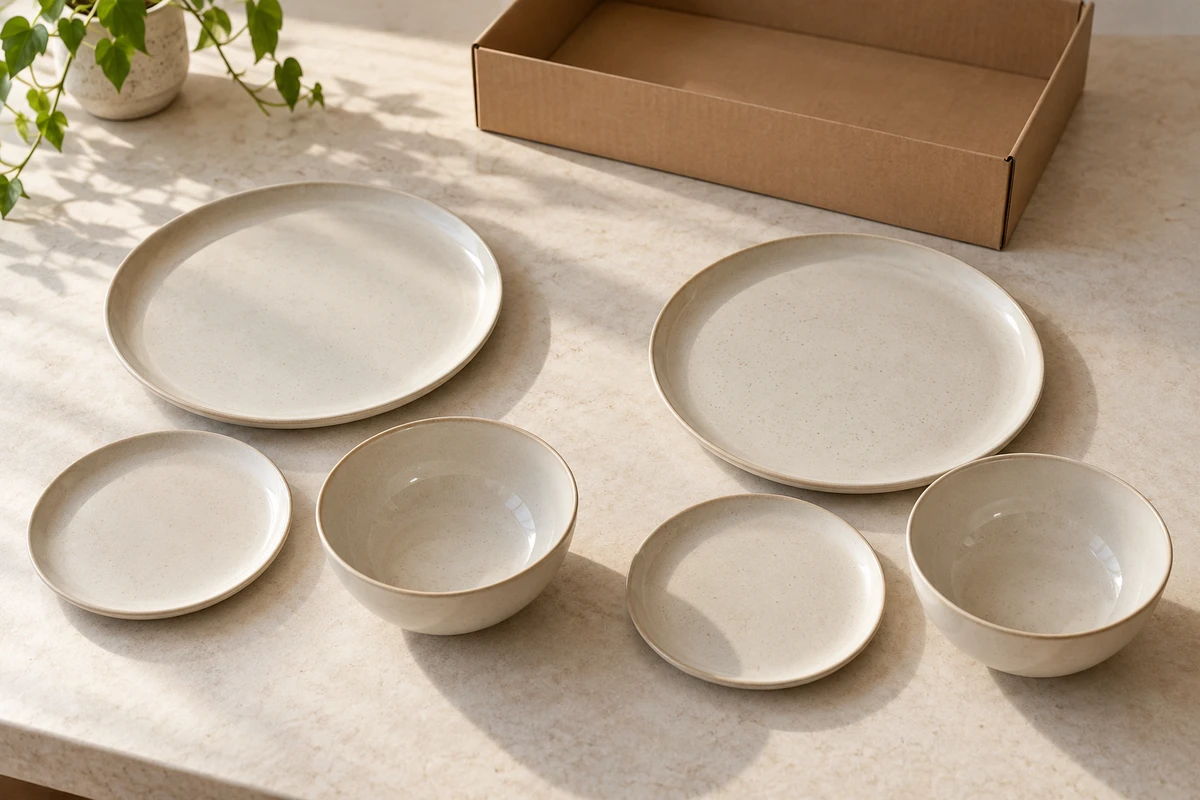
Read article: Cutting-Board Multipacks: Compare the Actual Face Order → Choose dinnerware handling groups around the actual handover: intact retail sets, individual settings or piece-type bulk packs.
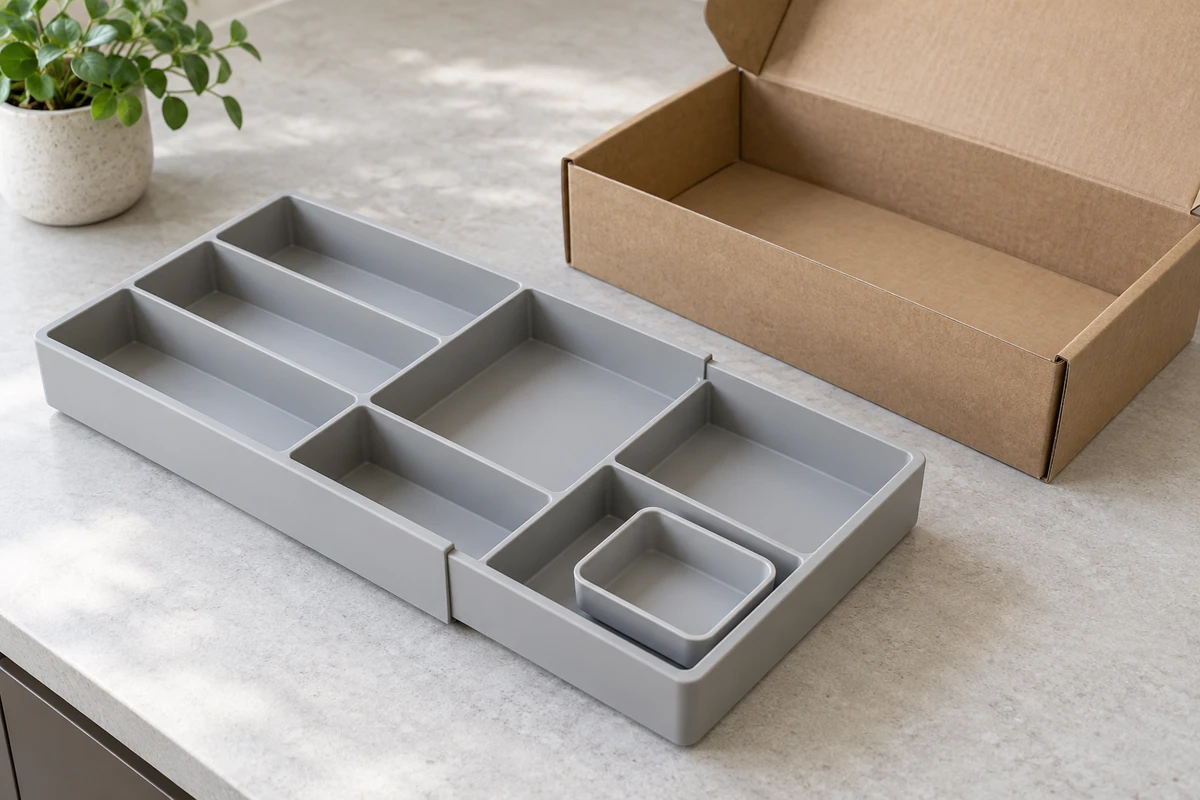
Read article: Dinnerware Pack Groups: Retail Sets or Household Settings? → Compare compact and adjusted organizer packs, account for the movable dish, and define the permitted transition from the supplied state.
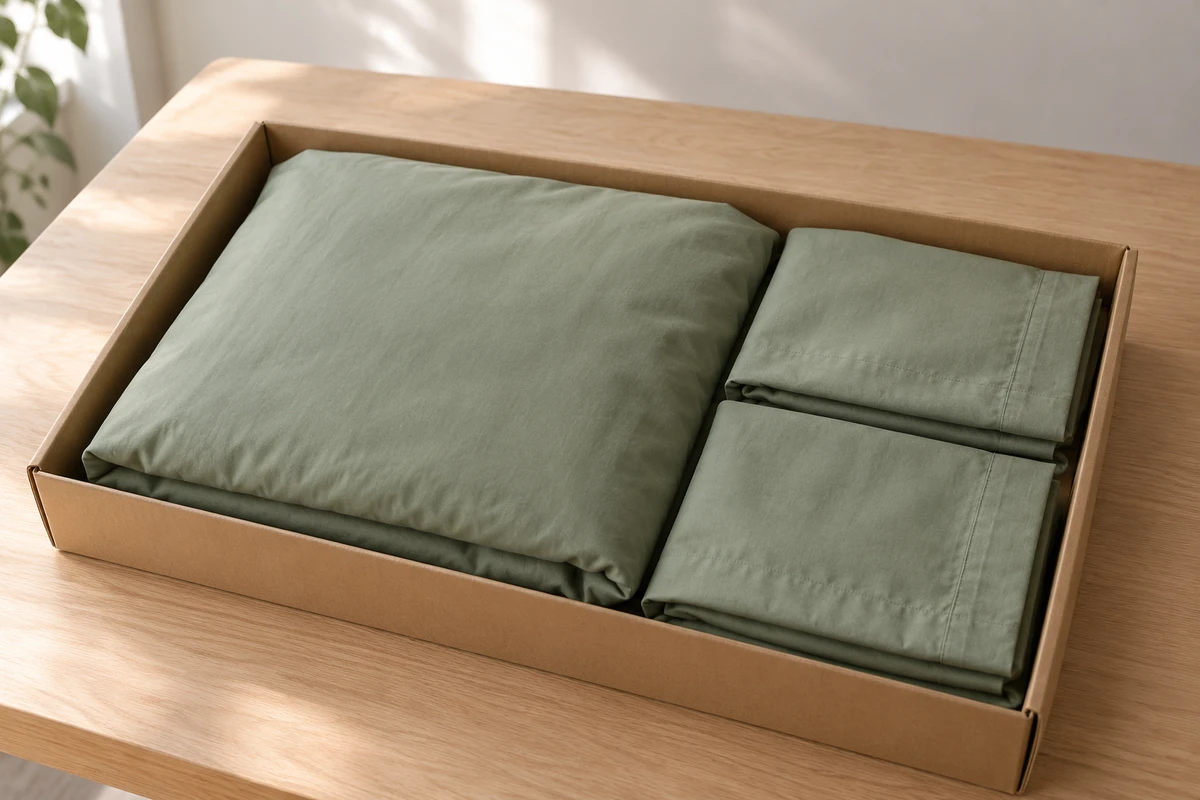
Read article: Expandable Drawer Organizers: Choose the Supplied Pack State → Compare inner-bundle arrangements that keep approved pillowcase types with the correct duvet cover when several bedding sets are unpacked together.
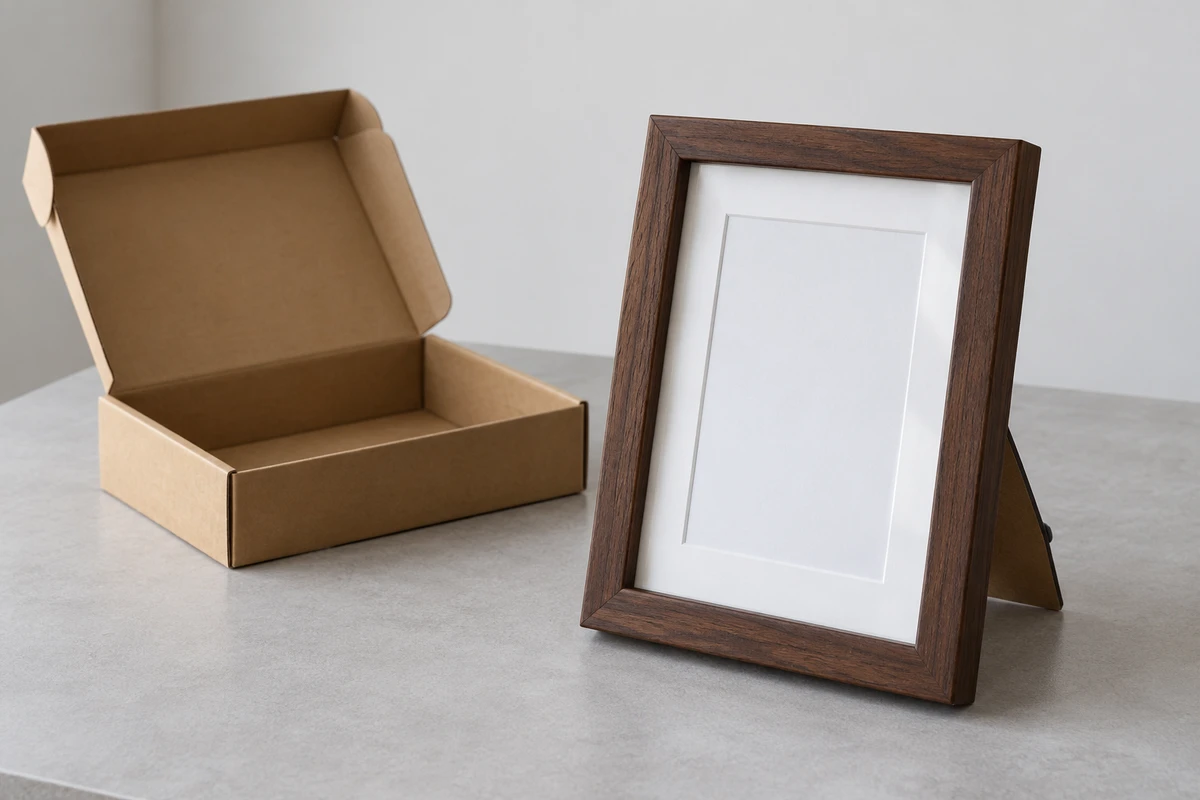
Read article: Keep Pillowcases with Their Duvet Cover Through Unpacking → Choose one coherent packed-frame configuration, showing the included mat, backing and manufacturer-permitted support state without mixing incompatible views.
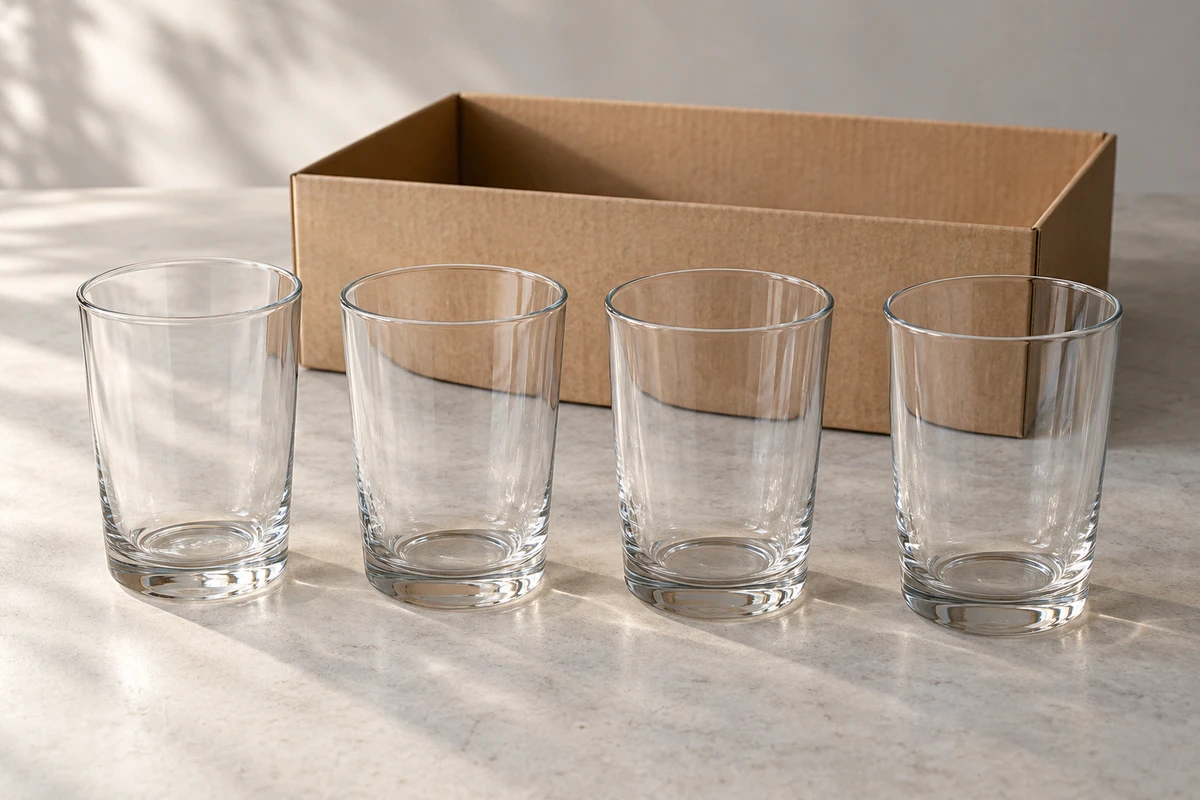
Read article: Specify the Packed Frame Back and Included Mat → Use the exact glass model’s no-stacking instruction to reject a conflicting nested layout and request an individual-position proposal.
Read article: Nonstackable Drinking Glasses: Reject the Nested Pack Premise → Review the complete supplied lamp configuration, including the cord and any separately supplied bulb, before choosing a base-and-shade layout.
Read article: Table-Lamp Packing: Show the Base, Shade and Cord → Represent both mirror faces, the pivoting frame and supplied base before selecting a supported table-mirror packing configuration.
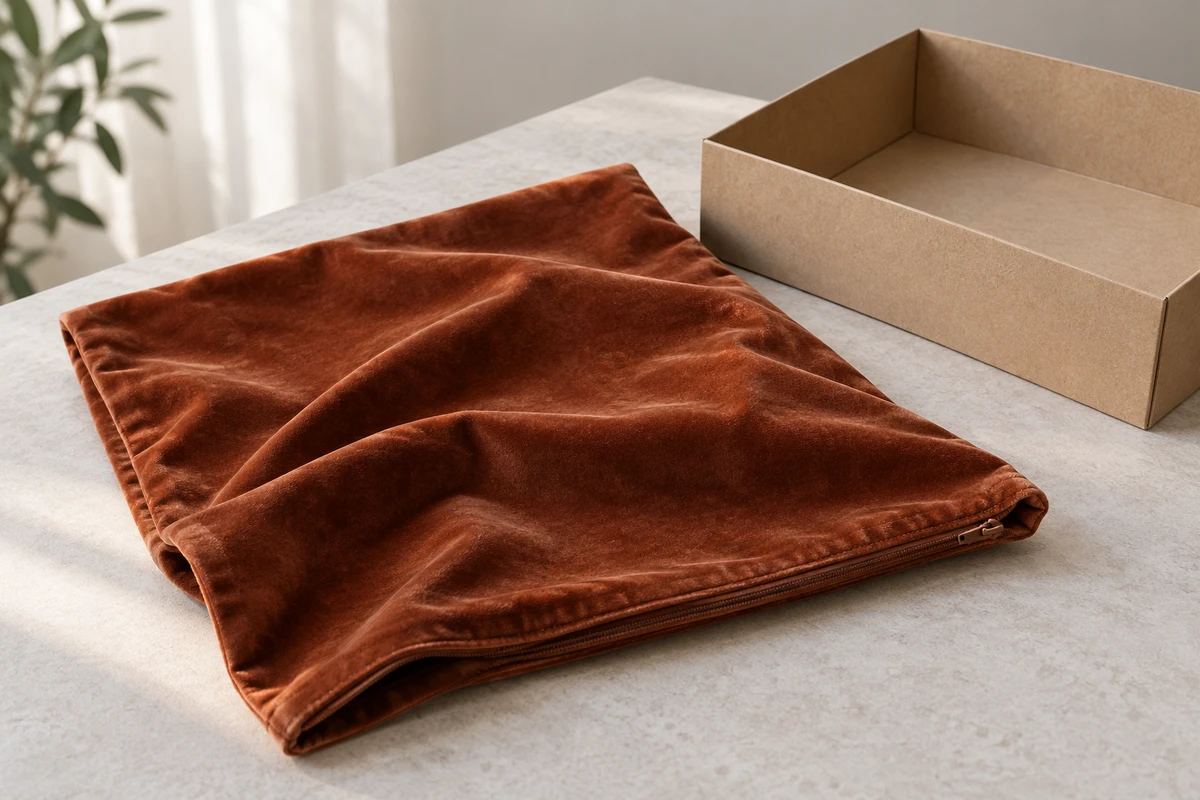
Read article: Turnable Table Mirrors: Define the Complete Packed State → Compare proposed folds and compression states for empty velvet cushion covers using an agreed appearance basis before accepting a packing change.
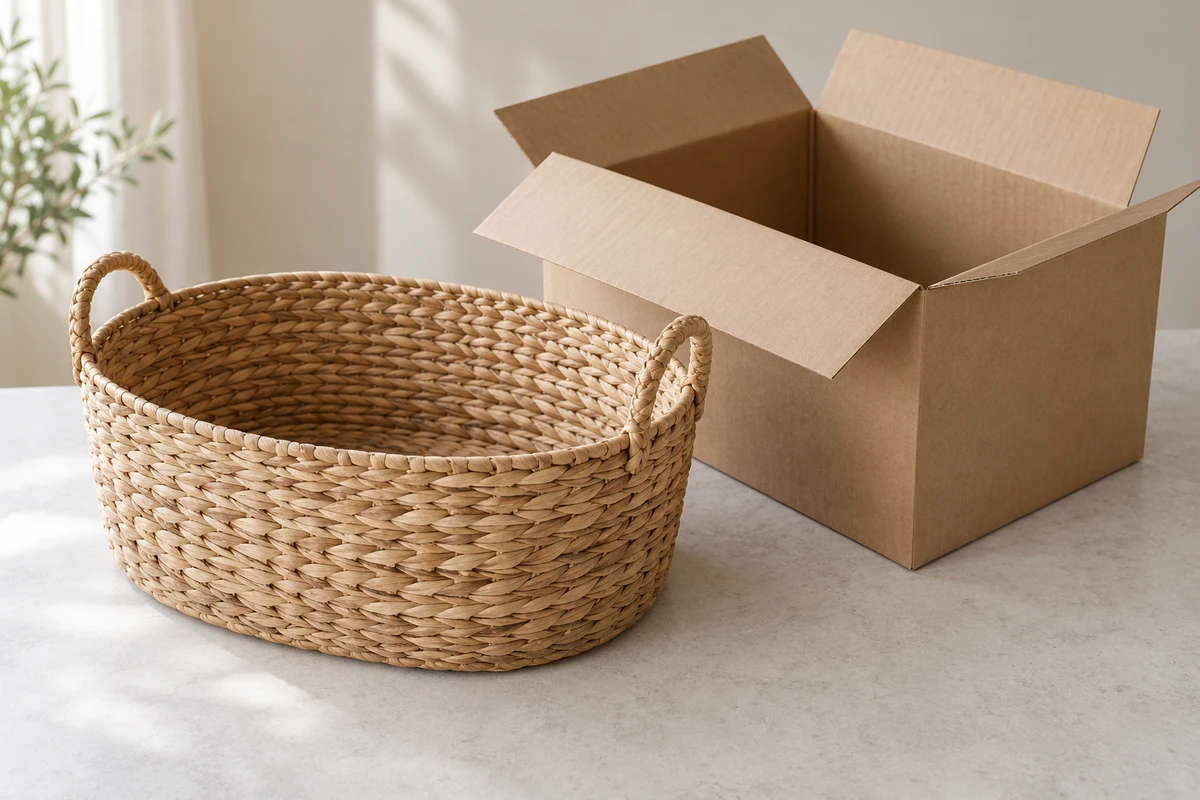
Read article: Approve the Packed State of Velvet Cushion Covers → Clarify the basket’s delivered form and any recipient setup before accepting a compact pack suggested by a shallow package photograph.
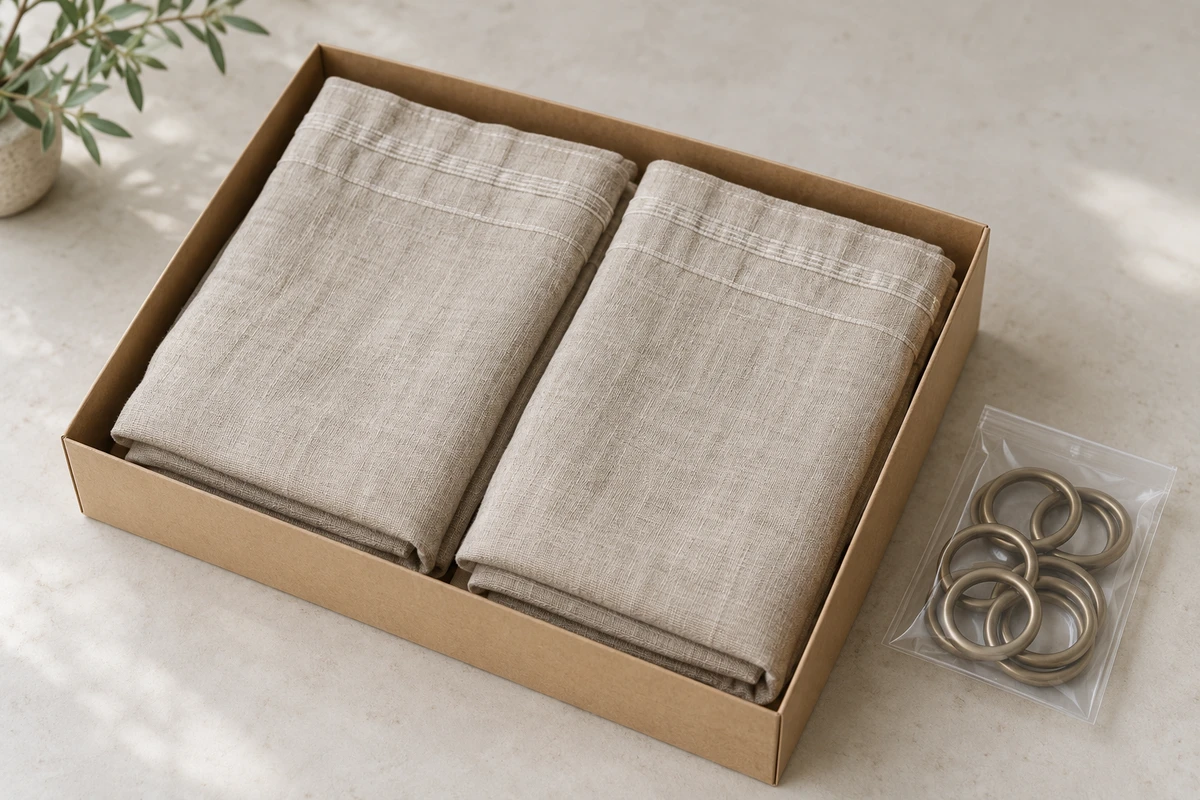
Read article: Woven Baskets: Choose Ready-Formed or Supported Compact Delivery → Choose a defined location for approved loose curtain hardware while keeping its containment separate from the fabric and connected to the correct panel pair.
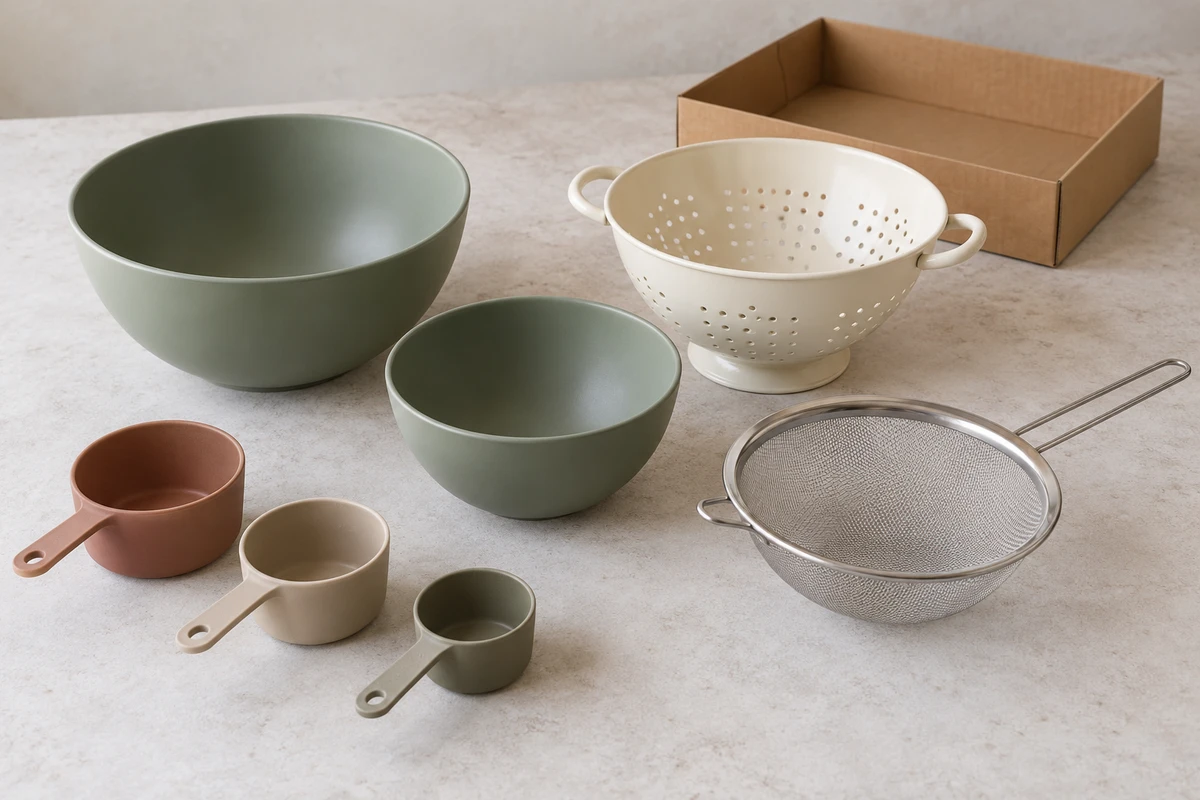
Read article: Pack Curtain Hardware Without Losing the Panel Pair → Compare a mixed bowl, colander, sieve and measuring-cup set’s actual shipping proposal with its cupboard nesting arrangement.
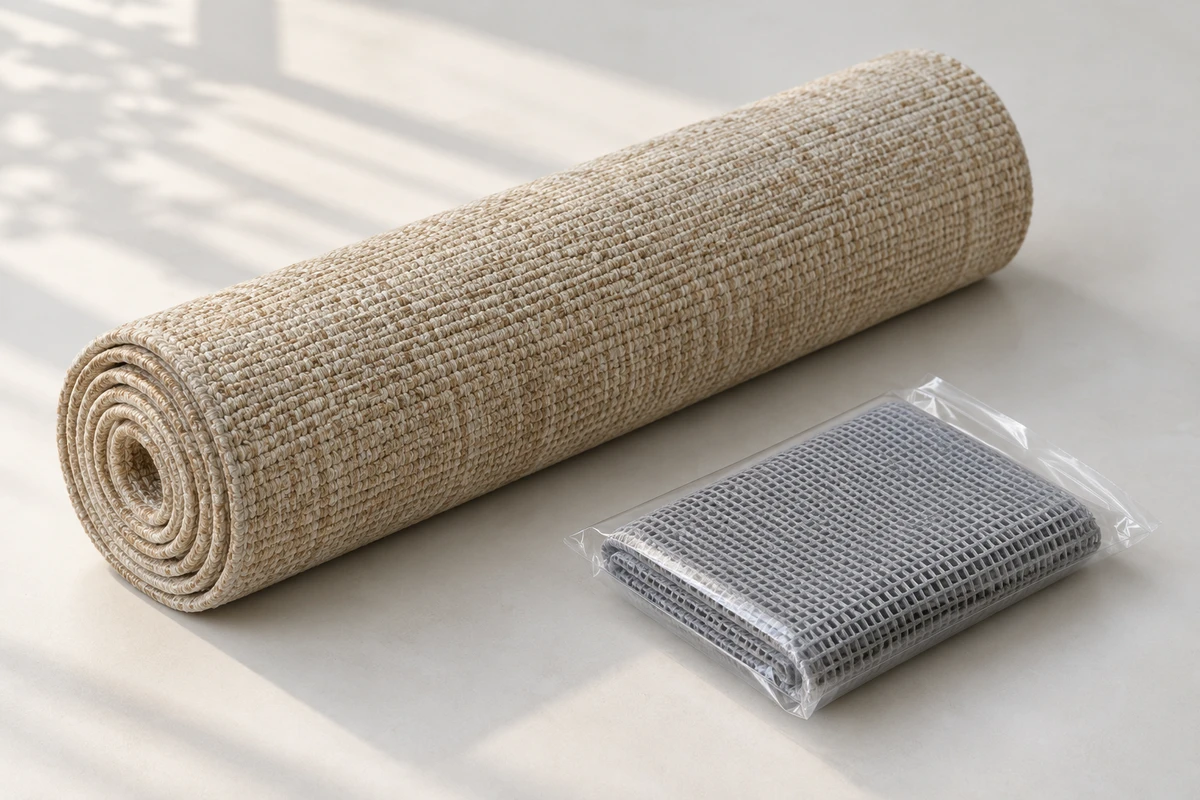
Read article: Nested Kitchen Prep Sets: Separate Storage Order from Shipping → Compare rug-and-underlay grouping proposals without changing the supported rug roll, and keep the separate underlay recoverable at handover.
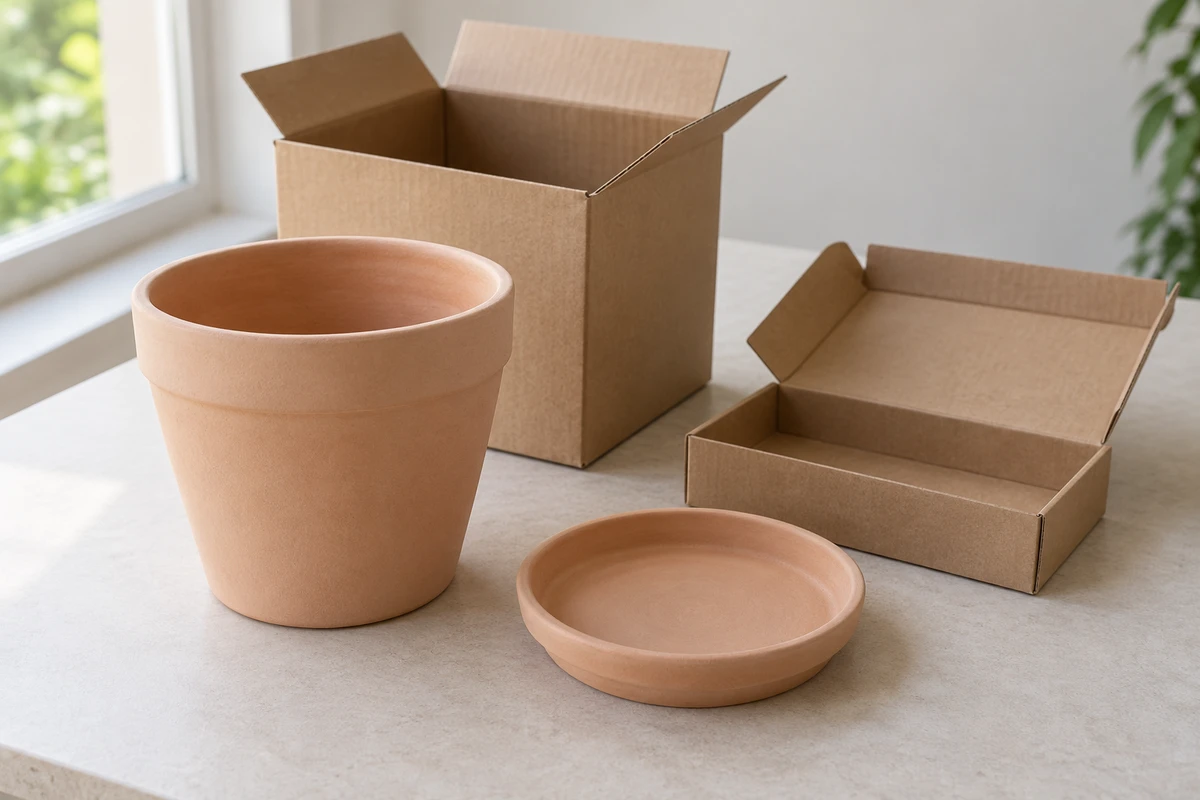
Read article: Rolled Rugs and Underlays: Preserve the Supplied Forms → Preserve approved pot-and-saucer relationships across two packages, mixed-size retail handling and an unmatched companion without guessing from appearance.
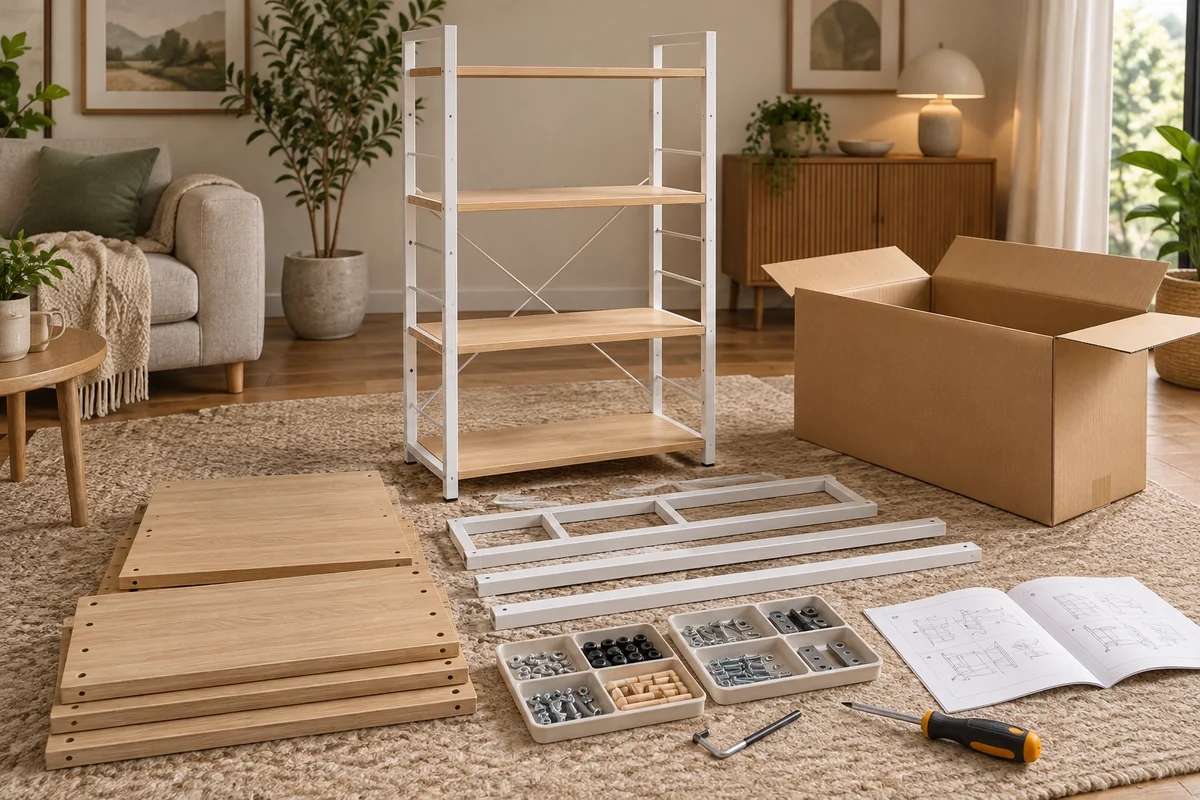
Read article: Keep Separately Packed Pots and Saucers Together → Check instructions, hardware, wall-fixing scope and matching carton pairs before placing a wholesale shelving order.
Read article: Flat-pack shelving from 1688: inspect the assembly sample →