Site home Blog 1688 Homeware
Buying notes Practical tutorials for quote requests, specification checks, receiving and shipping.
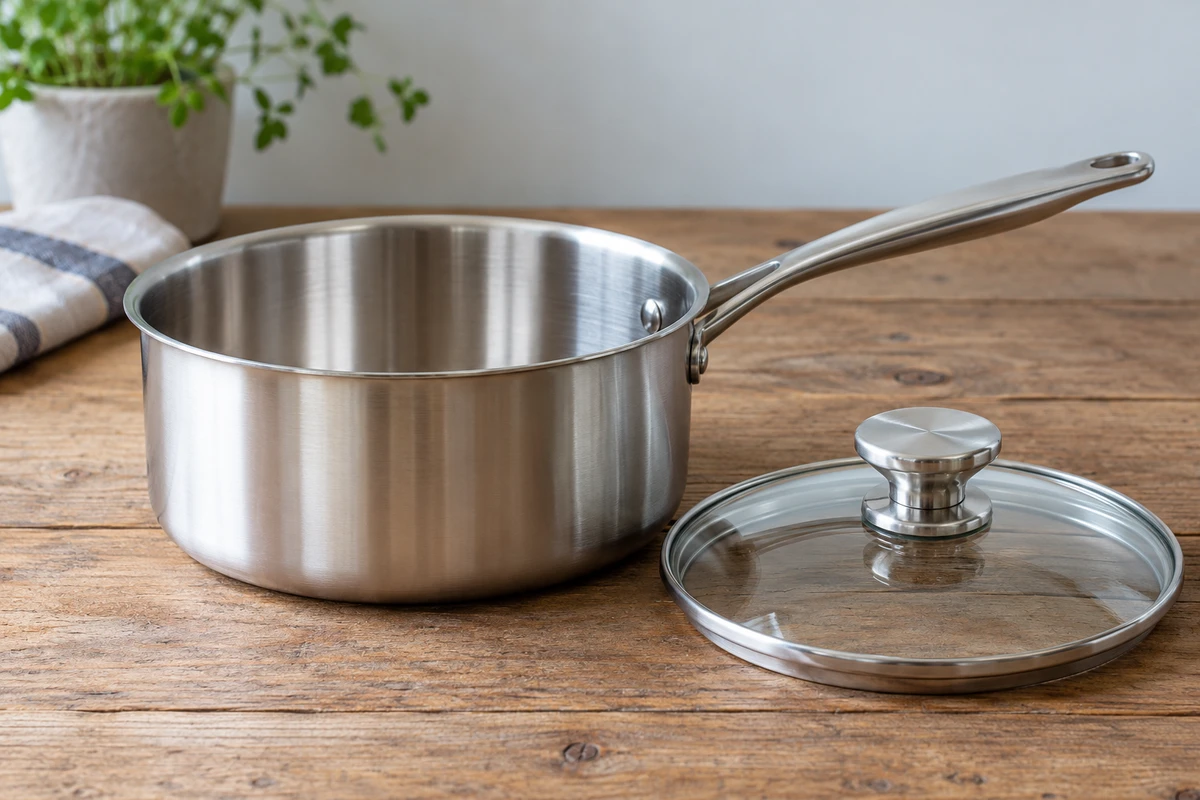
Request a quote Email WhatsApp Keep pan and lid identities together, observe only permitted cold seating, and resolve visible damage without confusing fit with cooking suitability.
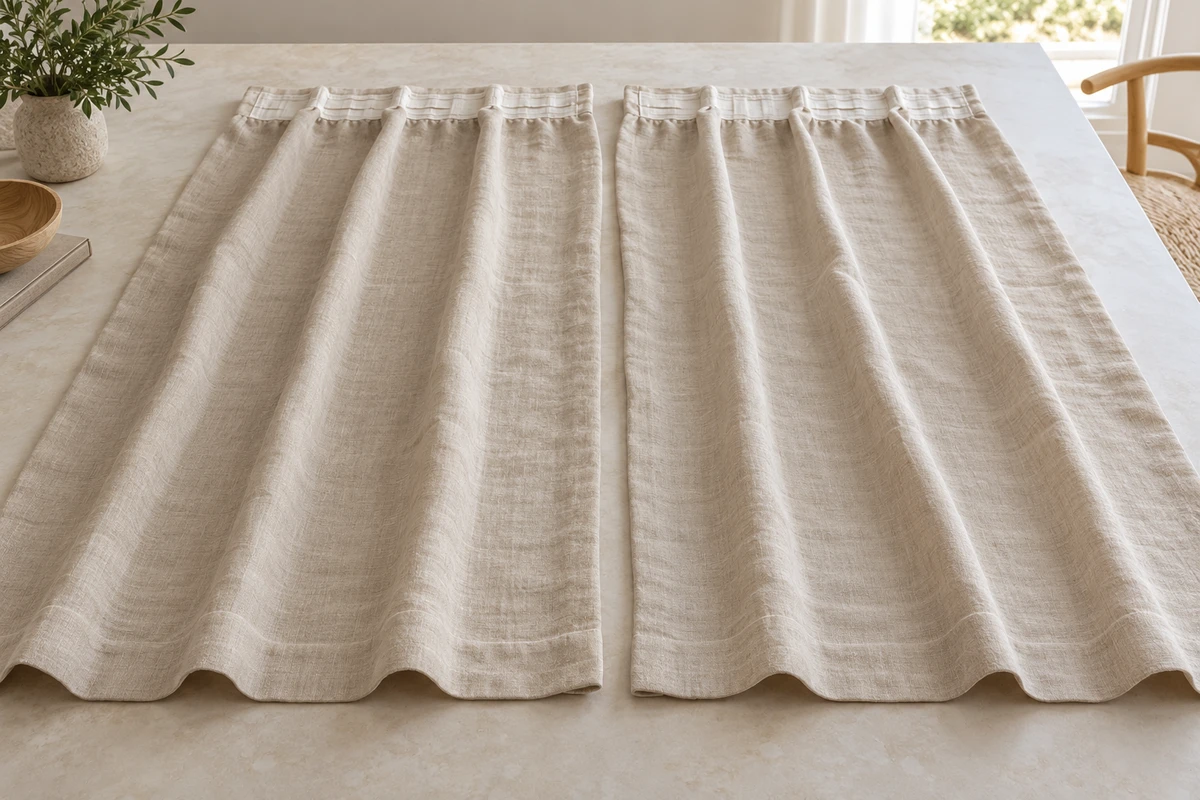
Read article: Check the Received Pan and Lid Pair While Cold → Compare both received curtain panels from a common header reference and preserve their unchanged condition before deciding on a mismatch or alteration.
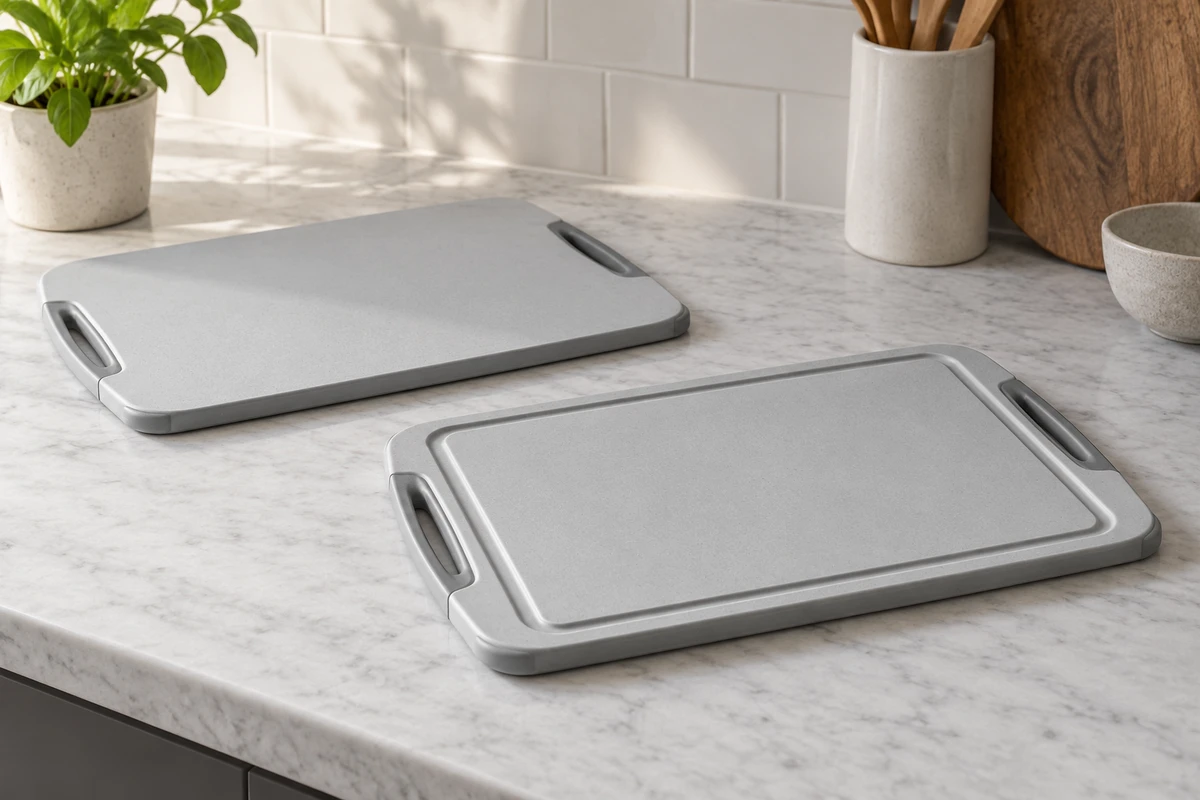
Read article: Compare Both Curtain Panels Before Altering Them → Compare the delivered board’s intended faces, groove, edges and feet before use, without turning a visual check into a grip or hygiene claim.
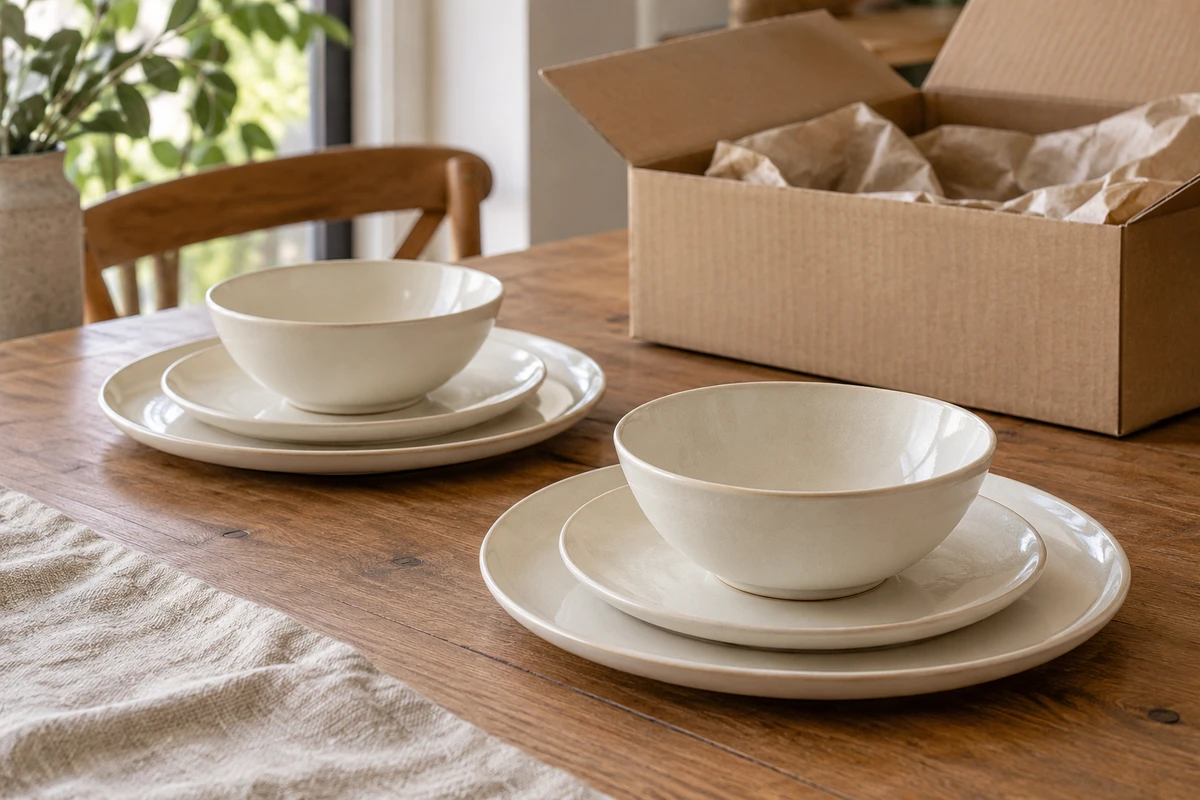
Read article: Inspect Both Cutting-Board Faces Before Use → Recount a damaged dinnerware delivery by component role, complete settings and surplus pieces, keeping held and unexamined units out of the available total.
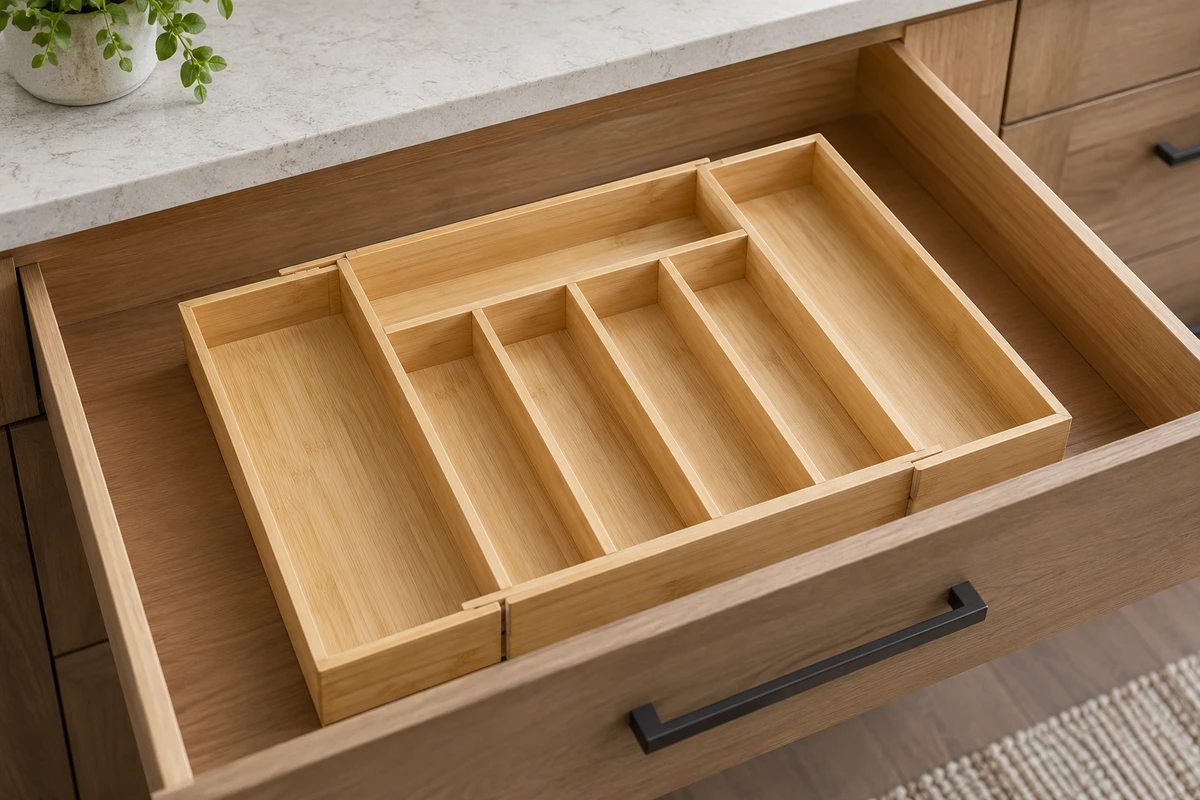
Read article: Count Usable Place Settings After Arrival Damage → Observe the delivered organizer at its agreed setting, including movable parts, then resolve empty-drawer clearance without force or modification.
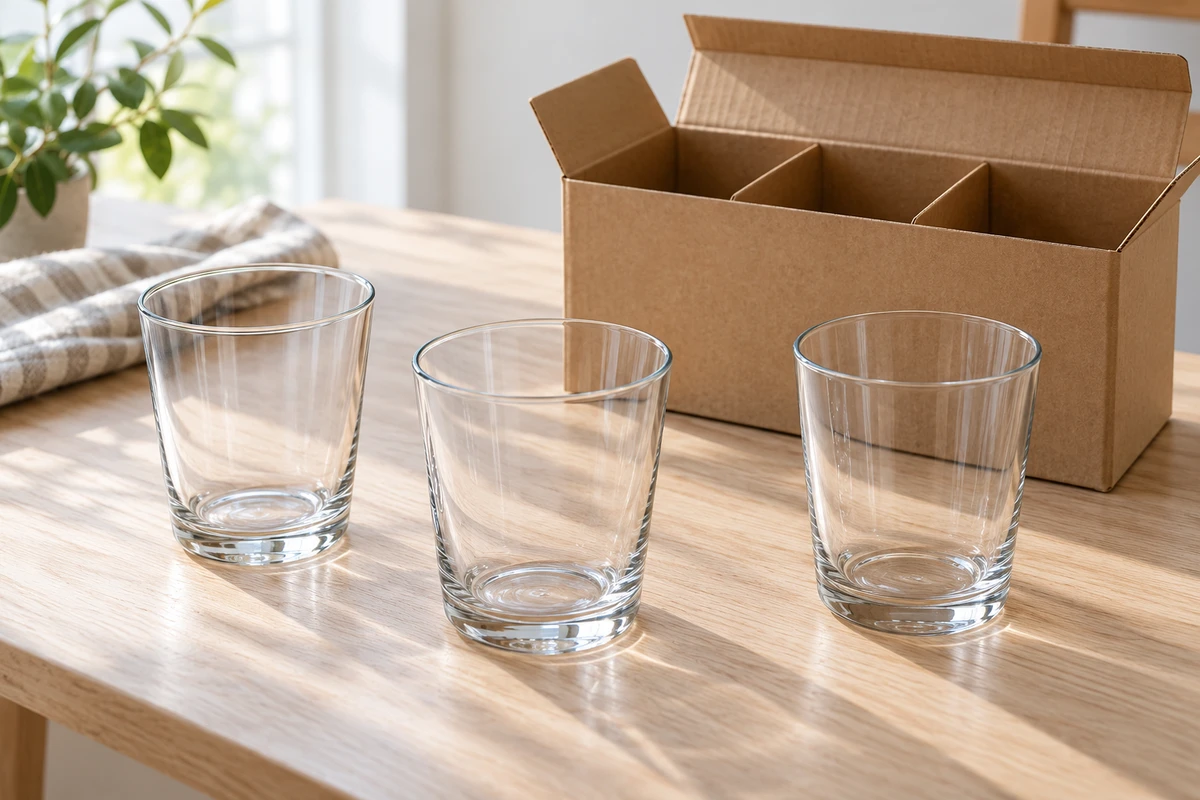
Read article: Check Drawer-Organizer Adjustment and Closing Clearance → Keep visibly damaged glasses out of further checks, preserve unit-specific evidence and apply exact-model stacking restrictions to apparently intact units too.
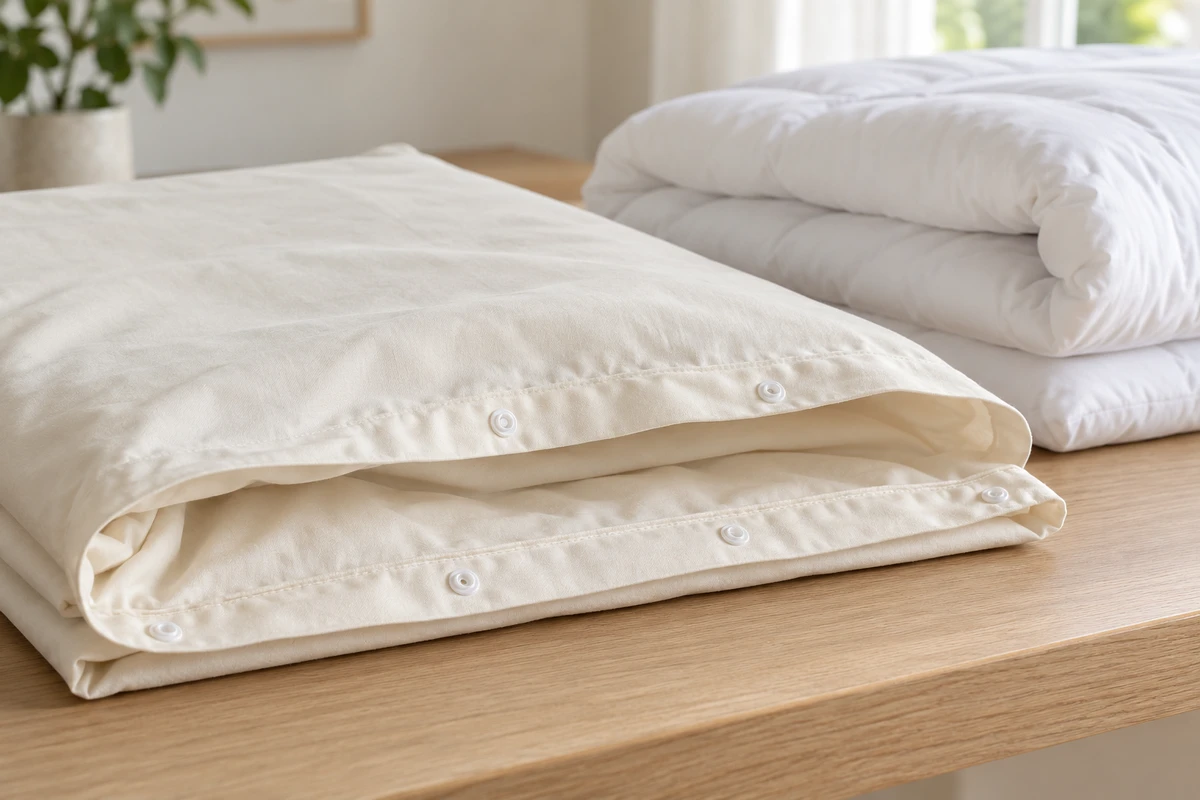
Read article: Keep Damaged Drinkware Out of Fit and Stacking Checks → Keep insert access and closure engagement separate when a duvet cover arrives, and identify the exact fastener or opening that remains unresolved.
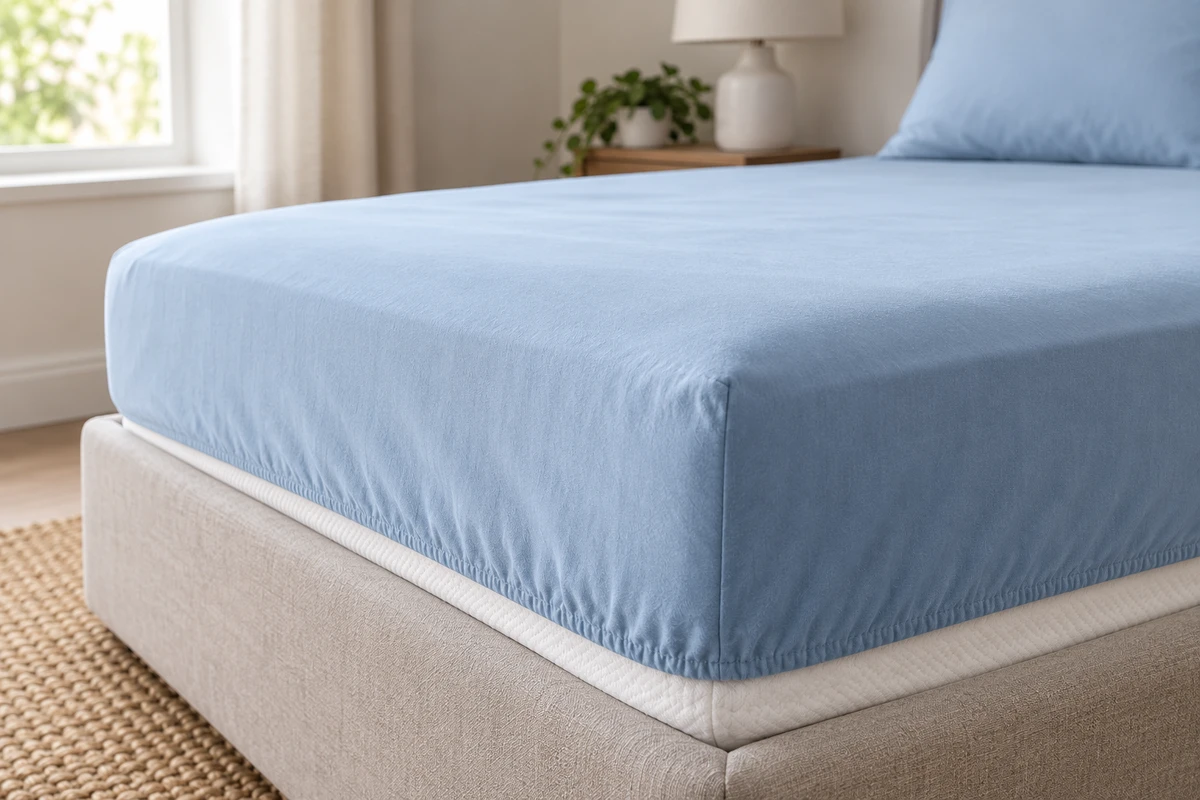
Read article: Check Duvet-Cover Closure and Insert Access on Arrival → Record all four fitted-sheet corners and adjoining edges on the ordered mattress-and-topper arrangement before accepting an apparent fit.
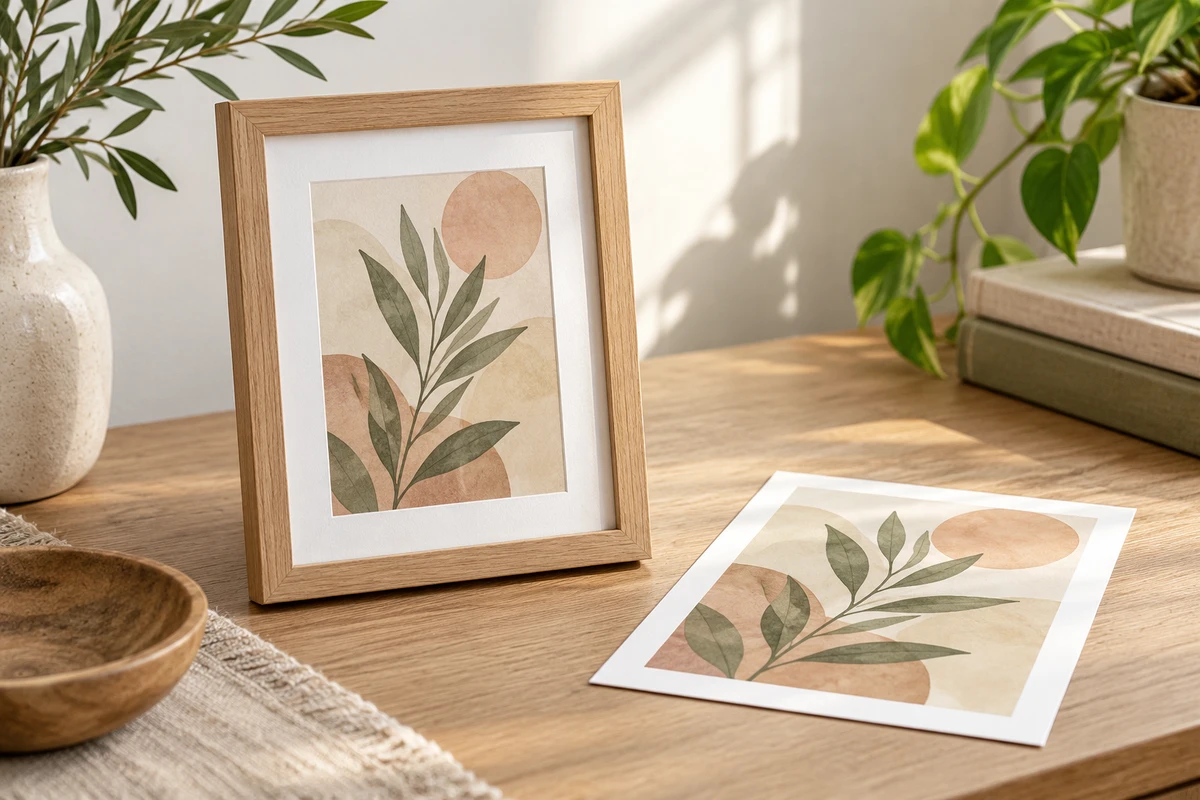
Read article: Check Fitted-Sheet Corners Against the Intended Mattress → Use a disposable print reference to compare visible content and normal backing closure, then resolve the exact received frame-and-mat configuration.
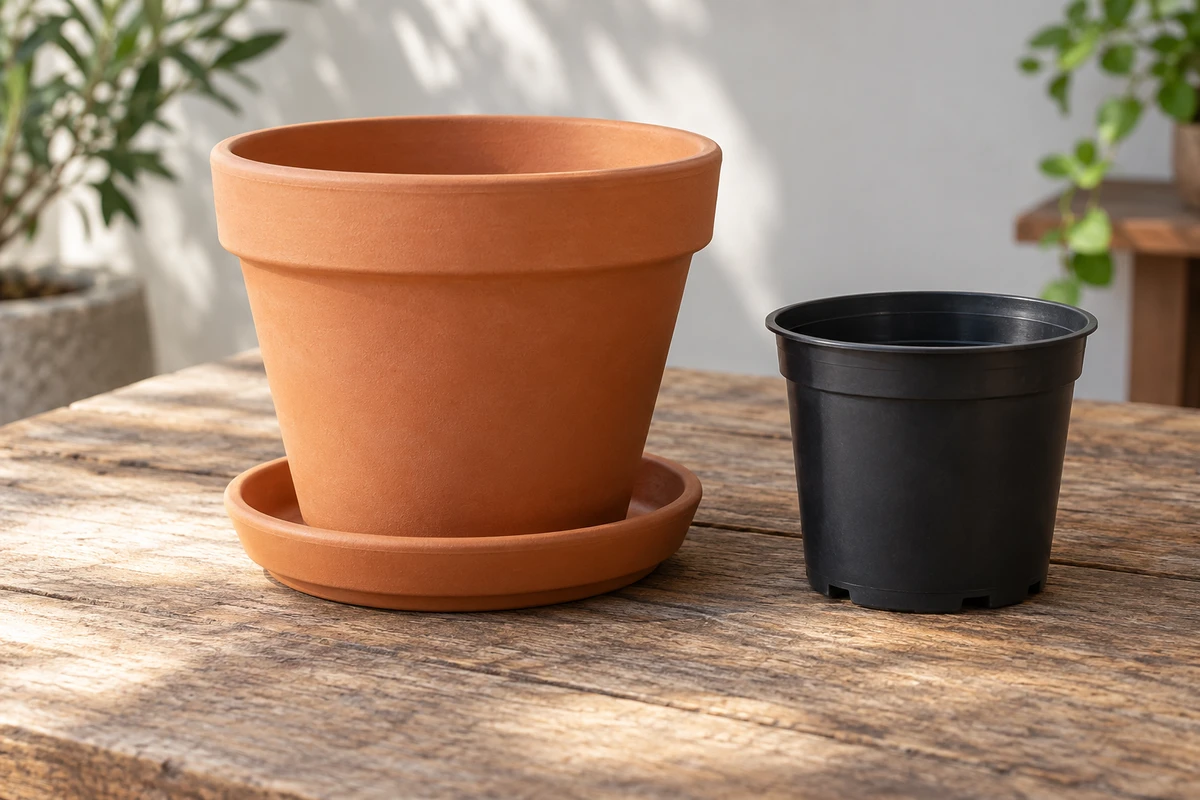
Read article: Check the Picture Area Hidden by a Received Frame → Separate inner-pot seating, pot-to-saucer contact and visible drainage openings before accepting the received planter configuration.
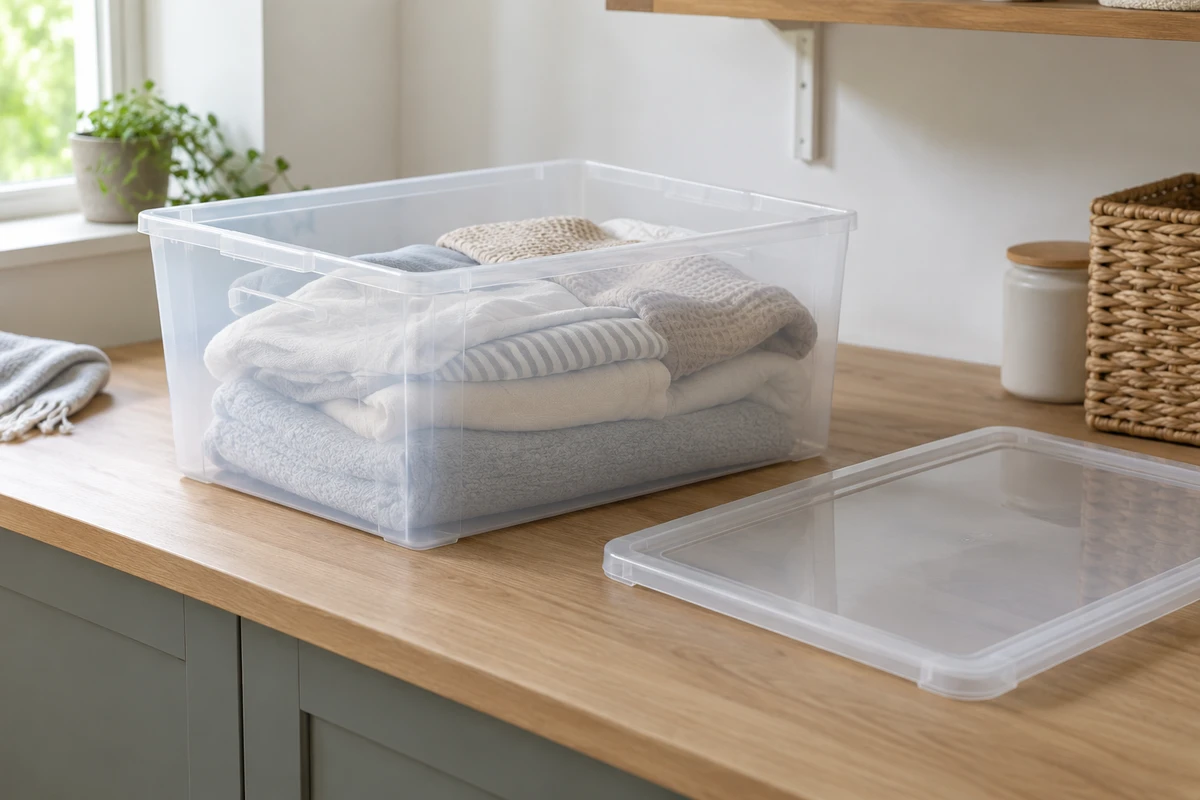
Read article: Check a Planter, Inner Pot and Saucer as a Dry Set → Compare empty closure with normal closure around the specified light household contents, keeping any obstruction or changed arrangement visible.
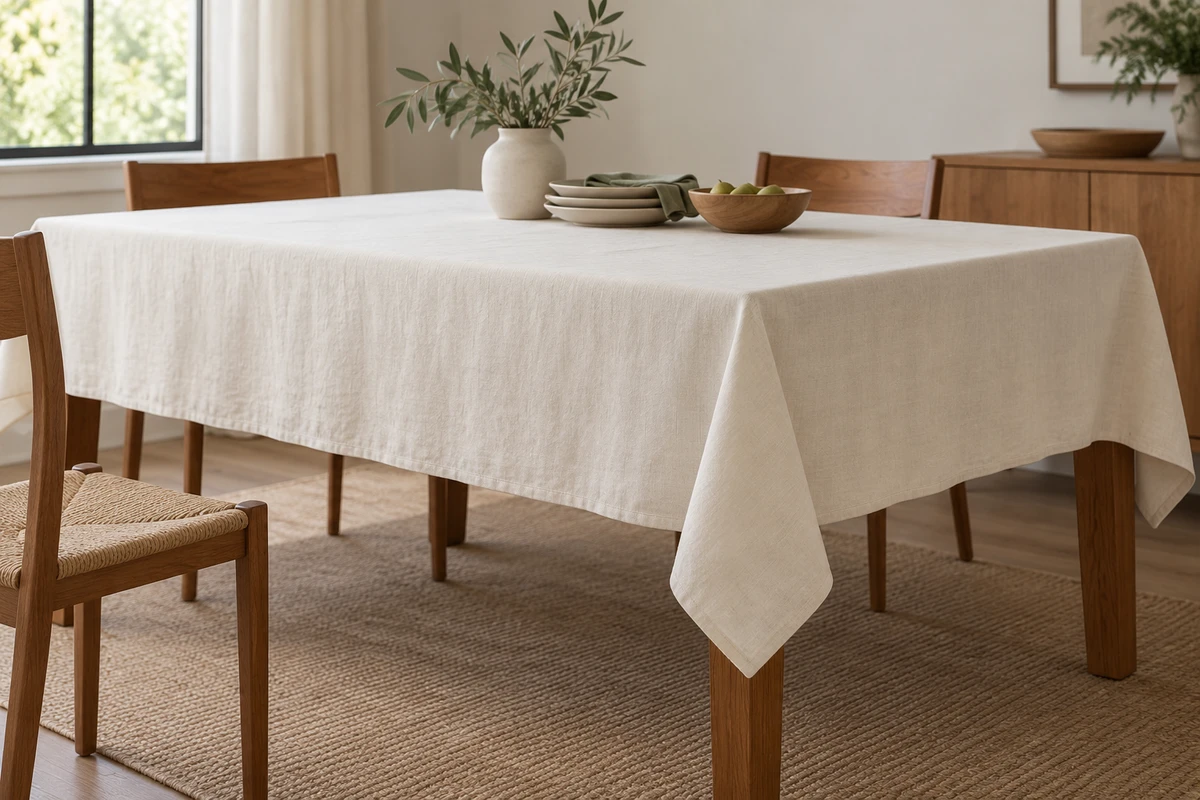
Read article: Check Storage-Box Lid Closure with the Intended Contents → Separate placement from a remaining tablecloth shape or size discrepancy, using the specified table and an unchanged unwashed comparison basis.
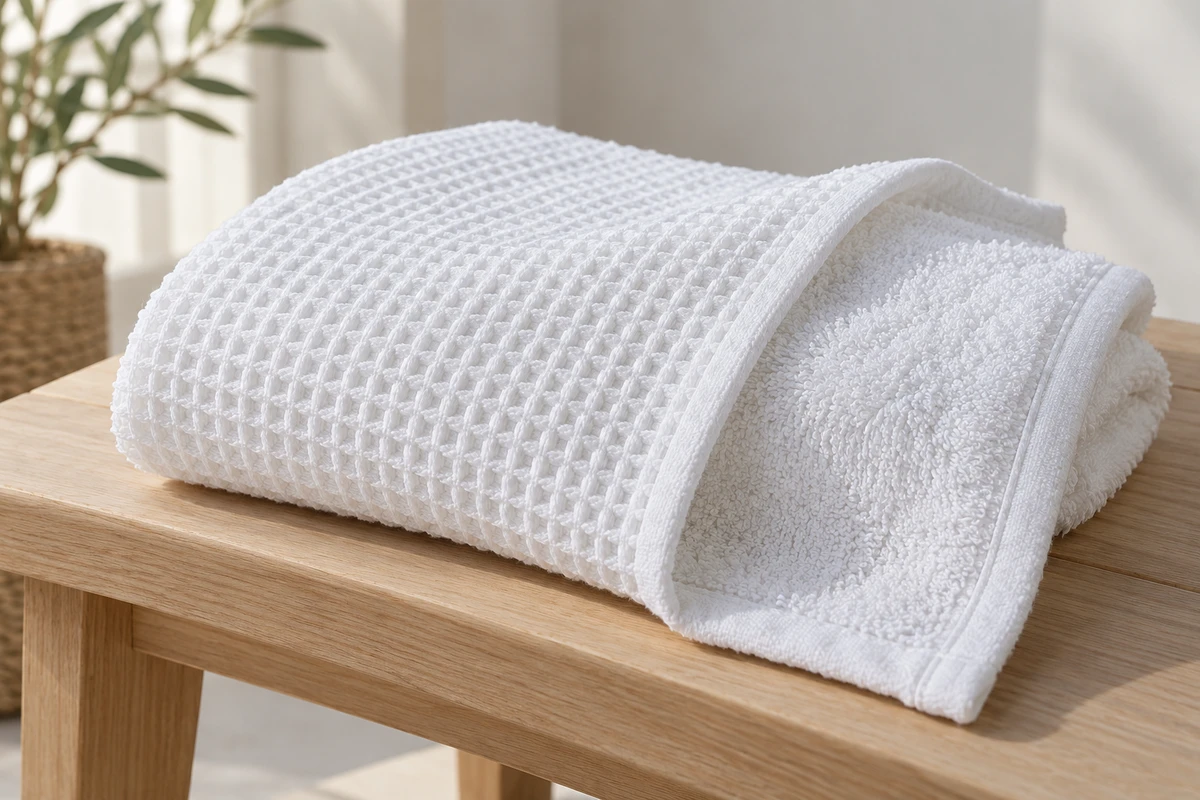
Read article: Resolve Uneven Tablecloth Drop Before Altering the Cloth → Confirm the towel’s intended two-face construction, then assess local loops and hems separately without inferring absorbency or fabric composition.
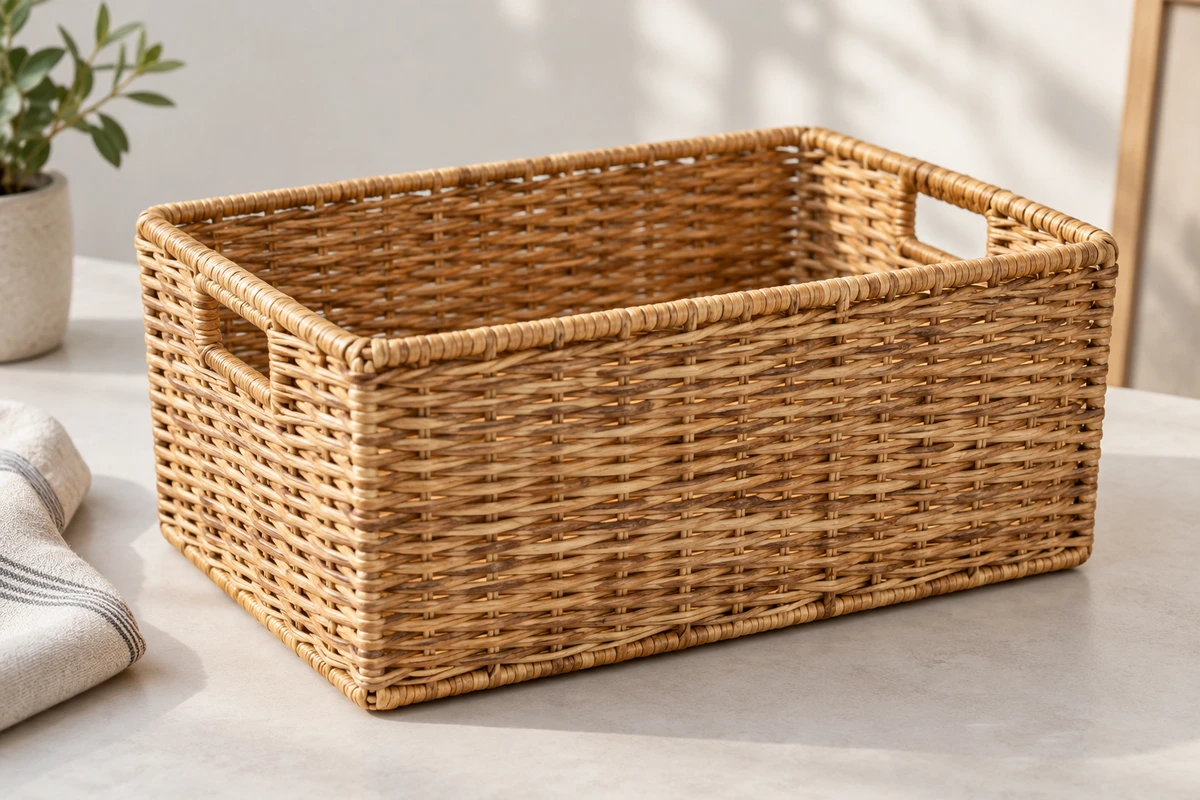
Read article: Check Both Towel Faces Before Judging the Delivery → Compare the opening, weave, handles and base pads against the approved basket reference so handmade appearance does not excuse missing components.
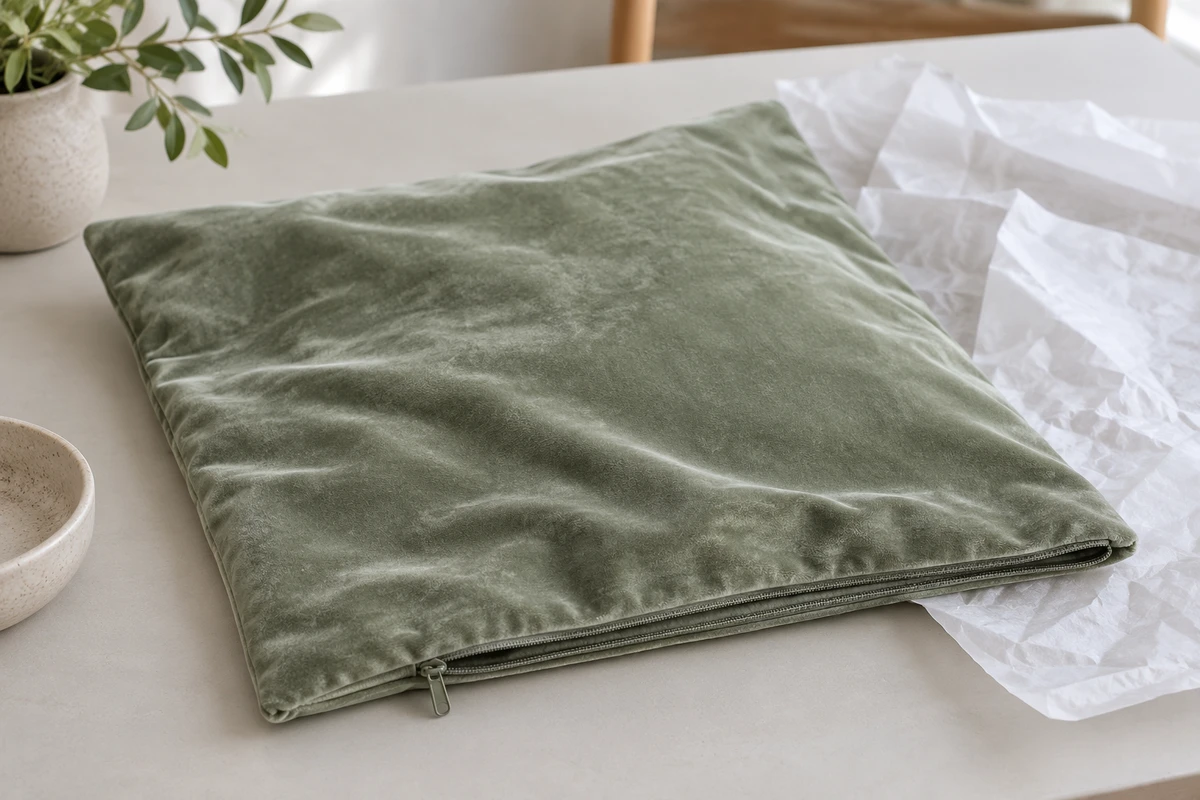
Read article: Separate Woven-Basket Variation from Unresolved Damage → Preserve a velvet cushion cover’s arrival appearance and give surface marks, seams and zip observations separate decisions before any treatment.
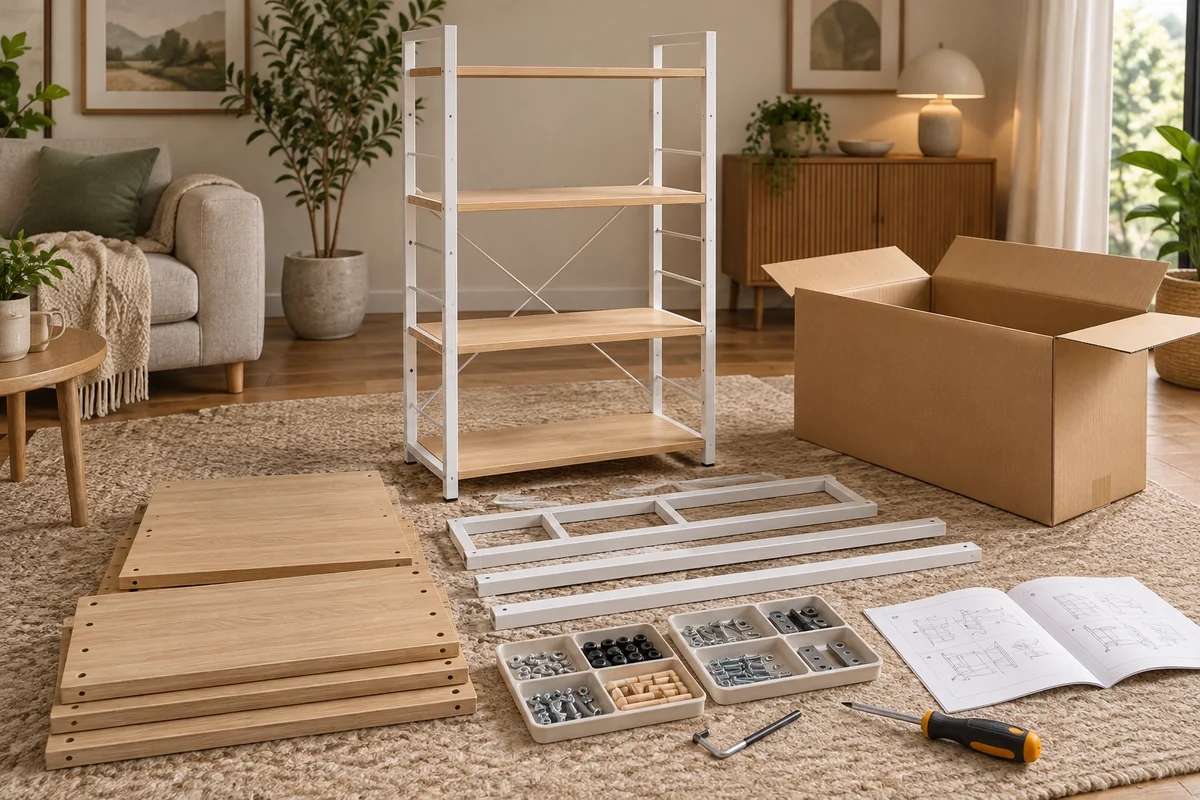
Read article: Record Velvet Cushion Marks Before Any Care Treatment → Check instructions, hardware, wall-fixing scope and matching carton pairs before placing a wholesale shelving order.
Read article: Flat-pack shelving from 1688: inspect the assembly sample → Compare jar bodies, lids and seals with a practical claim matrix for capacity, cleaning, fit and intended use before a wholesale order.
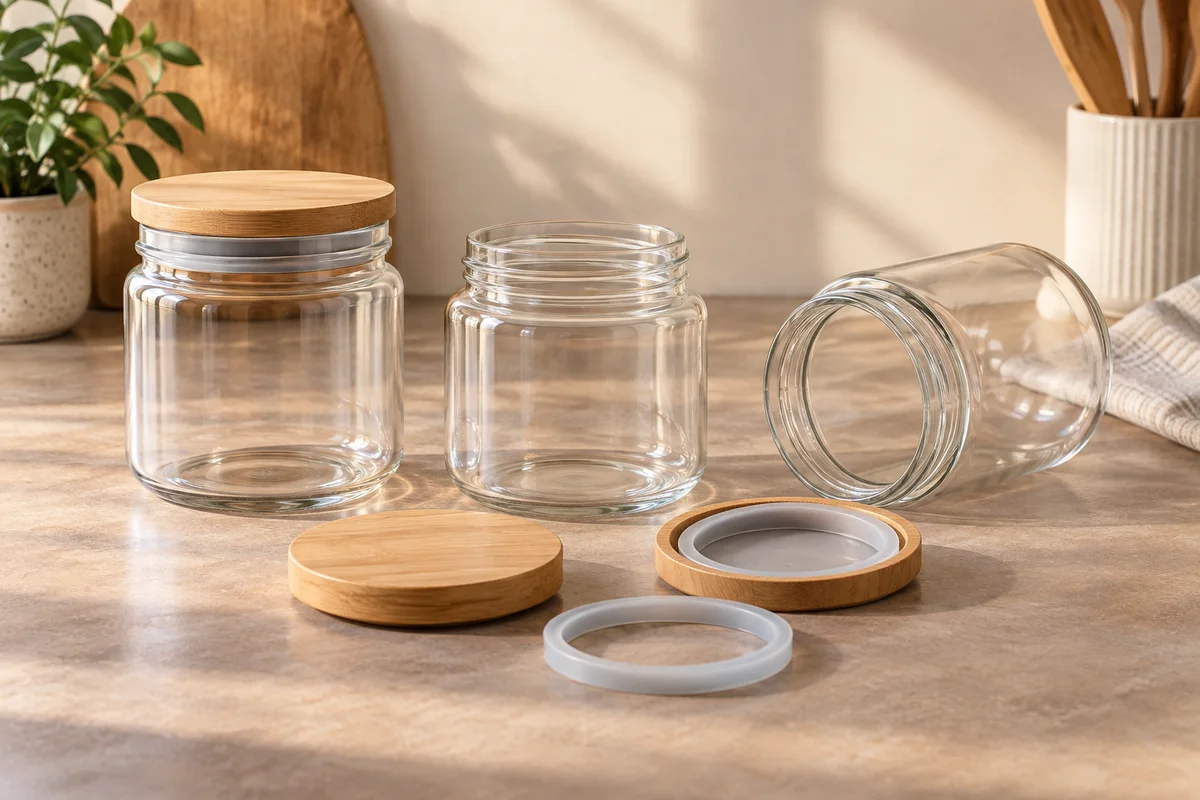
Read article: Glass storage jars from 1688: verify use claims before buying →